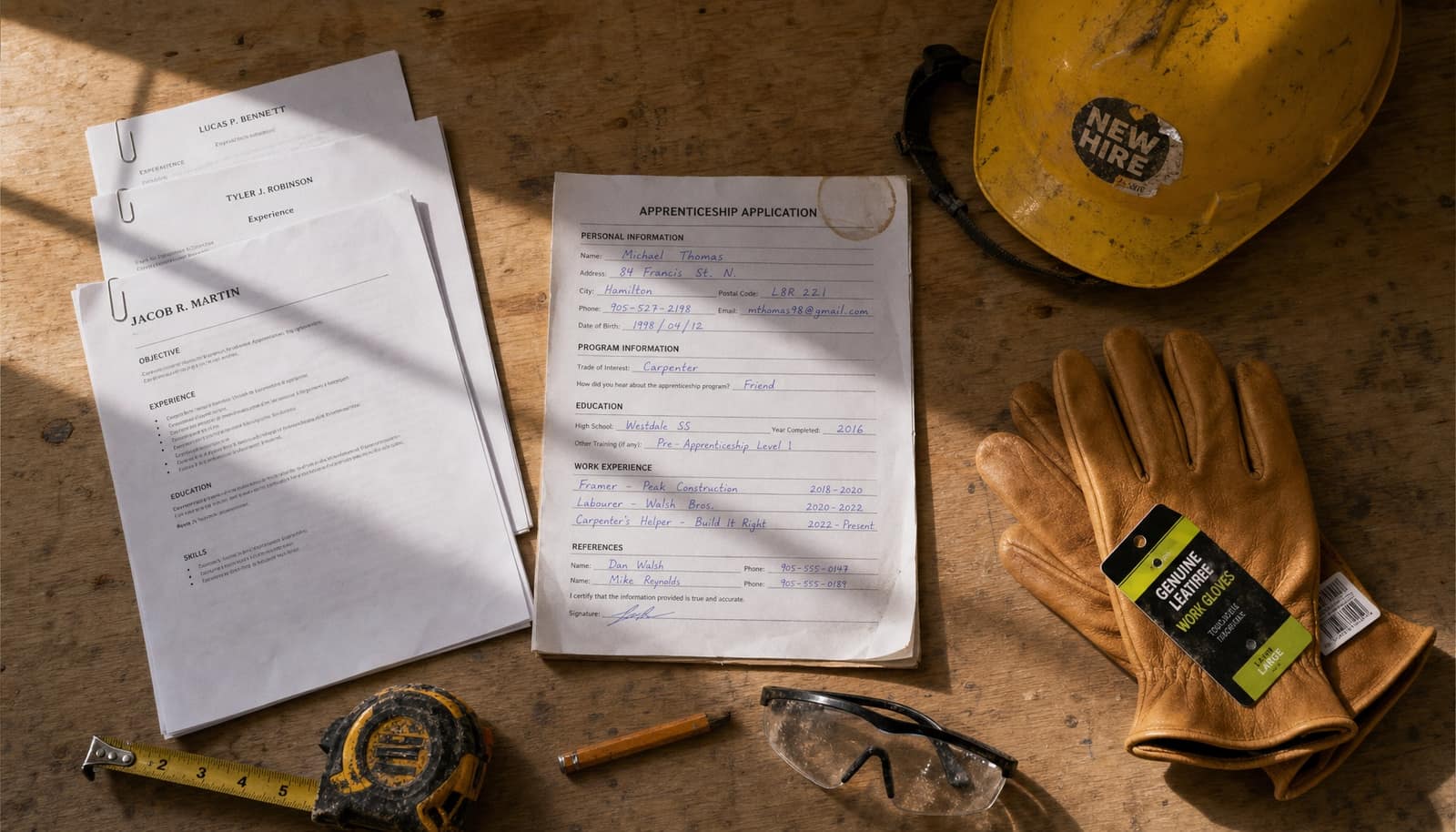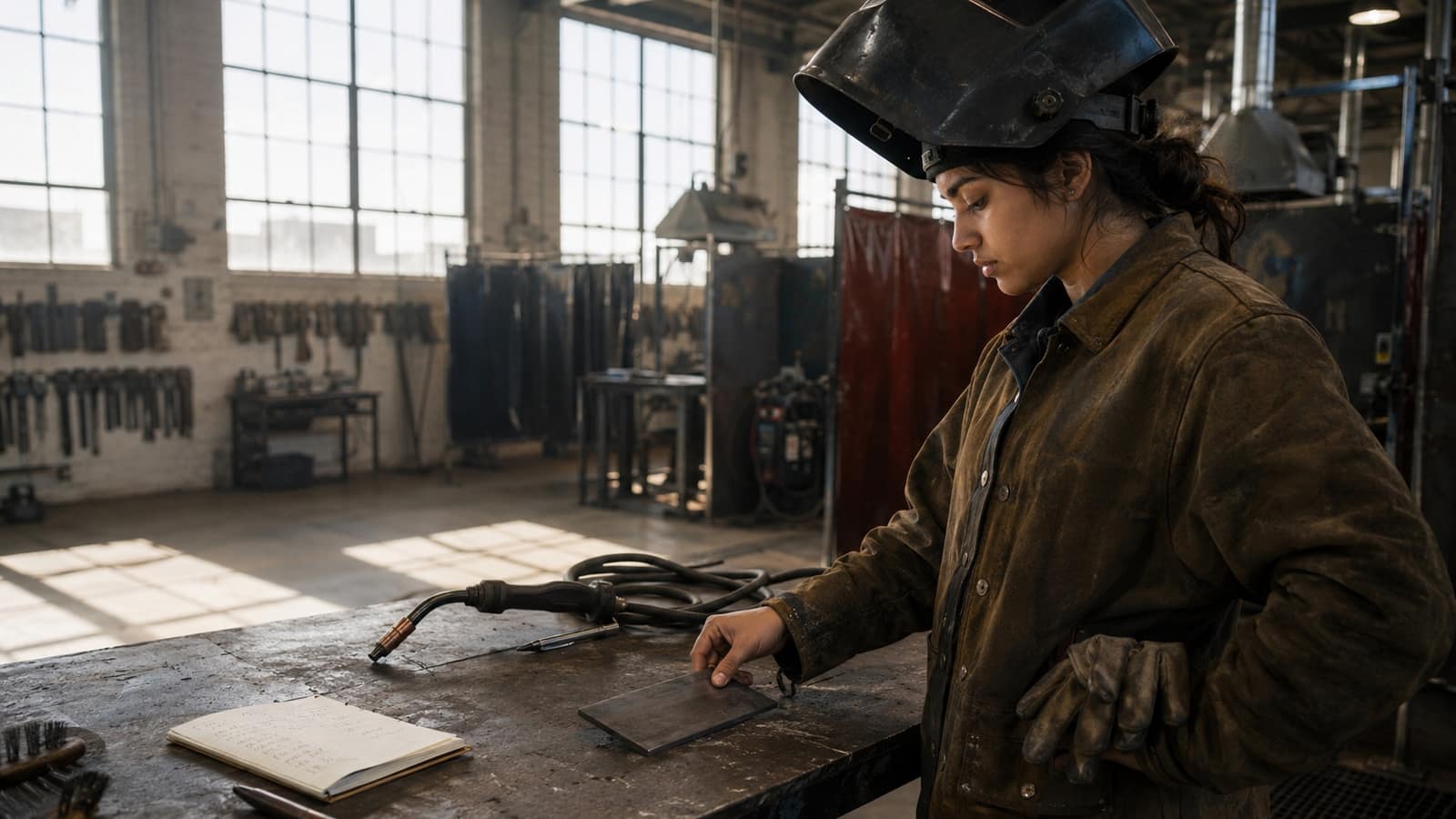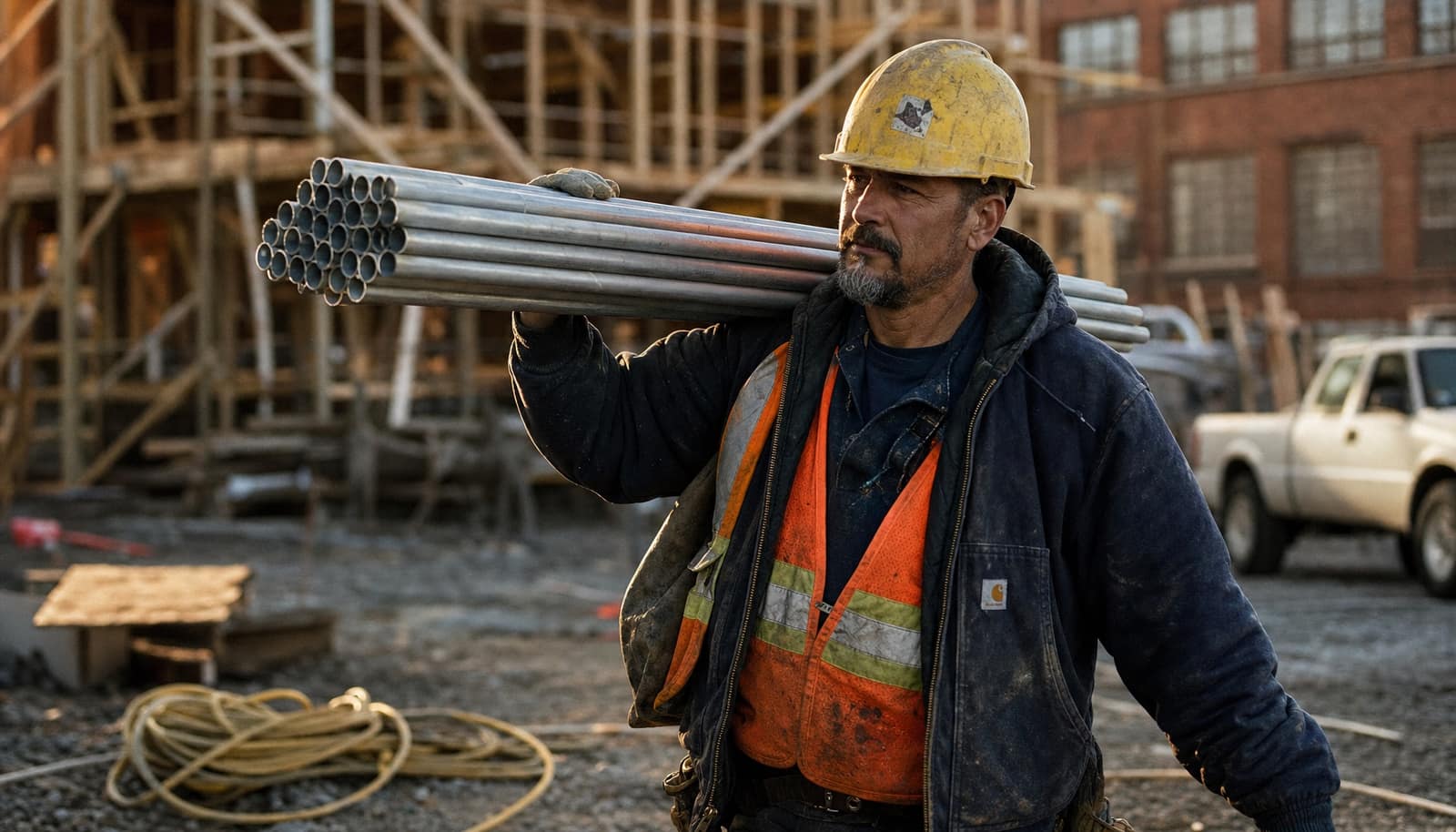
The sizzle pitch
Becoming a skilled trades apprentice opens up a serious range of careers. More people are paying attention to that than they were ten years ago, partly because HGTV and the renovation shows have done a beautiful job of dressing up the glamorous parts. That’s good for interest. It’s not enough to actually get someone on the pathway.
Almost a hundred years ago, Elmer Wheeler told salespeople to sell the sizzle, not the steak. Sell the excitement, the dream, the experience the product makes possible, not the thing itself. The pitch transformed marketing, and it’s now standard practice everywhere. Even governments, colleges, and universities use it.
Provincial trades days. “Try the trades” pop-ups in community centres. Science camps for girls. Lab tours for prospective engineering students. Recruiters showing off the fancy CNC machine, never the custodian’s closet or the health-and-safety binder that keeps the whole operation legal. Sizzle, sizzle, sizzle.
At some point, the steak matters
There’s nothing wrong with any of this. We have to play up the possibilities to attract people to any career. Fire halls turn on the sirens and let kids slide down the pole. Trades fairs roll out brand-name impact drivers and a sportscar with the hood up. It’s hard to recruit firefighters by leading with “most of your shift will be cleaning equipment and waiting.” Very few teenagers will sign up for the trades if you tell them that 80% of the work is staging: organizing, recording, maintaining, transporting, cleaning up, hauling out.
But there’s a danger of selling past the close. If we only show people the glamorous parts once they’ve already decided to pursue the trade, we set them up for a hard landing.
Sweeping the shop, sorting bolts, cutting boxes, moving pipe: none of that is “just labour.” It’s the steak that makes the sizzle possible.
Plenty of pre-apprenticeship grads walk out the door convinced they’re ready to install the multi-head shower or build the mahogany mantle. Then they’re told to sweep the shop, and they get frustrated. The plumber wants to do plumbing. The carpenter wants to do carpentry. The shop wants someone who’ll do whatever needs doing today, cheerfully, and be there at 6:55 tomorrow morning to do it again.
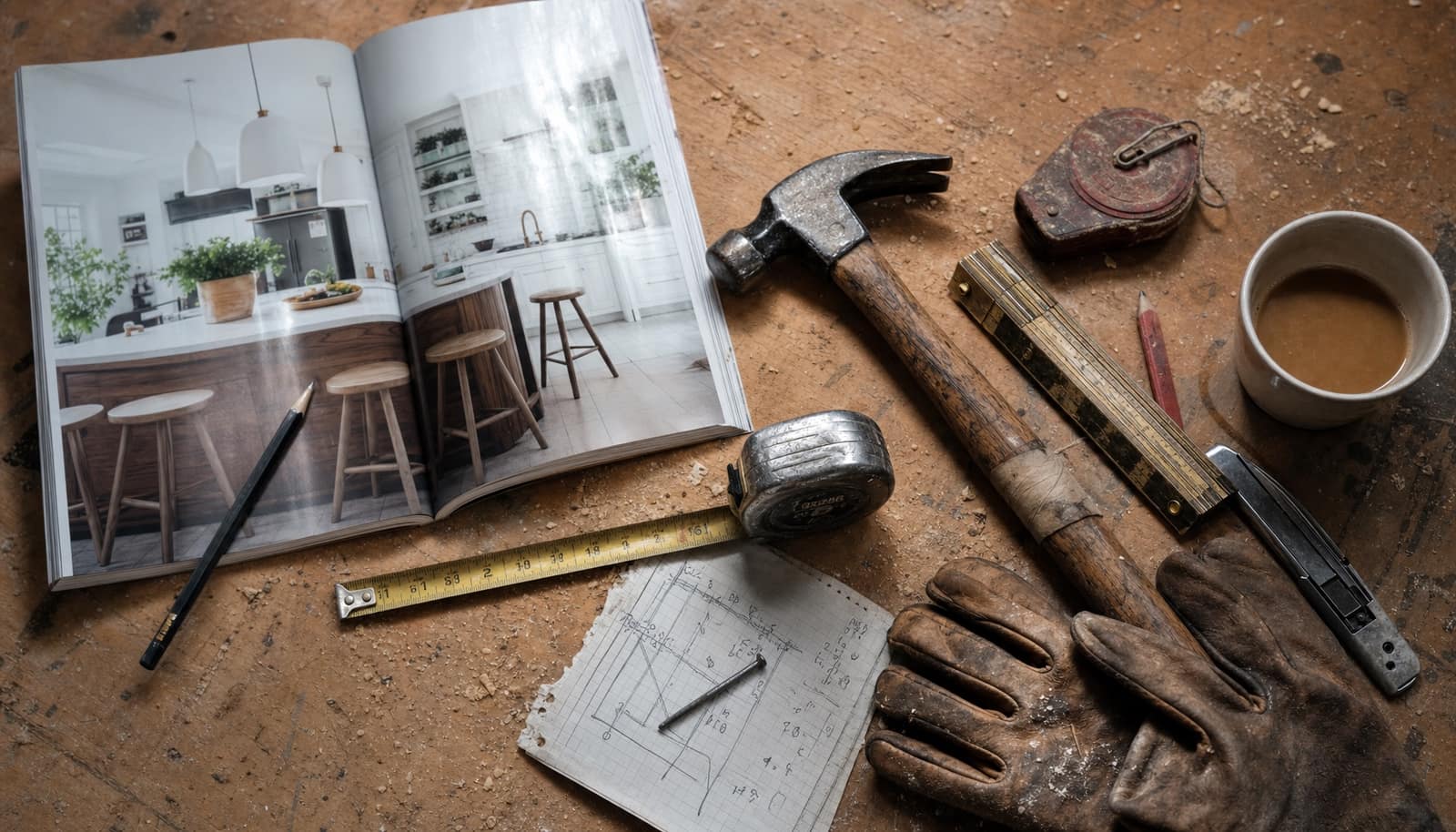
The team comes first
There’s a dimension of the work that almost never makes it into the recruiting pitch. Trades work is teamwork. Every project gets done by a team, even if the team is just the tradesperson and the customer. The needs of the team come first, and that plays out in obvious, unglamorous ways.
Show up on time. Be ready to do more than your share. Those are the most basic requirements of being on a team, and the people who do them are the ones who get picked for the next project, regardless of their skill level. Being a good team member looks a lot like being a good citizen or a good professional. The ingredients are the same: personal responsibility, integrity, and a willingness to put in the work without complaining about it.
All of that is required before the glamour shows up. Be a professional and you’ll have jobs. Be self-absorbed and you won’t.
What companies actually hire on
Taking on an apprentice is expensive. We’ve written about that elsewhere. The natural assumption is that companies must be looking for candidates with some real technical chops before they sign the papers, and a lot of pre-apprenticeship programs are built on that assumption, with the emphasis sitting heavily on hours spent in the workshop using shiny tools in clean, climate-controlled rooms. That dovetails nicely with selling the sizzle. Students get to feel like real tradespeople.
The problem is that companies don’t actually pick apprentices that way. They hire, and fire, on professionalism. Pre-existing technical wizardry is an afterthought.
We can teach the tools. We can’t teach showing up.
Being a professional is rarely glamorous. It’s the steak. And it’s the only thing our Trade Smart certified companies actually look for when they’re deciding whether to bring someone on.
The hard work comes first
There are real opportunities in the trades across Ontario, and there’s genuine glamour in a lot of them. The custom kitchen. The high-voltage industrial install. The heritage restoration. All of it real, all of it possible.
But it comes later. After someone has become a consummate professional. After the shop has watched them sweep the floor for six months without sulking about it. After the foreman trusts them to approach every task with integrity, including the boring ones. The hard work comes first. It always has.