There’s a familiar storyline in North America. First-generation university student. Raised in a family with no history of higher education, they push through an unfamiliar system and step into a world their parents never had access to. When they cross the stage, we cheer. Governments fund programs. Universities roll out scholarships. Entire campaigns are built around their achievement.
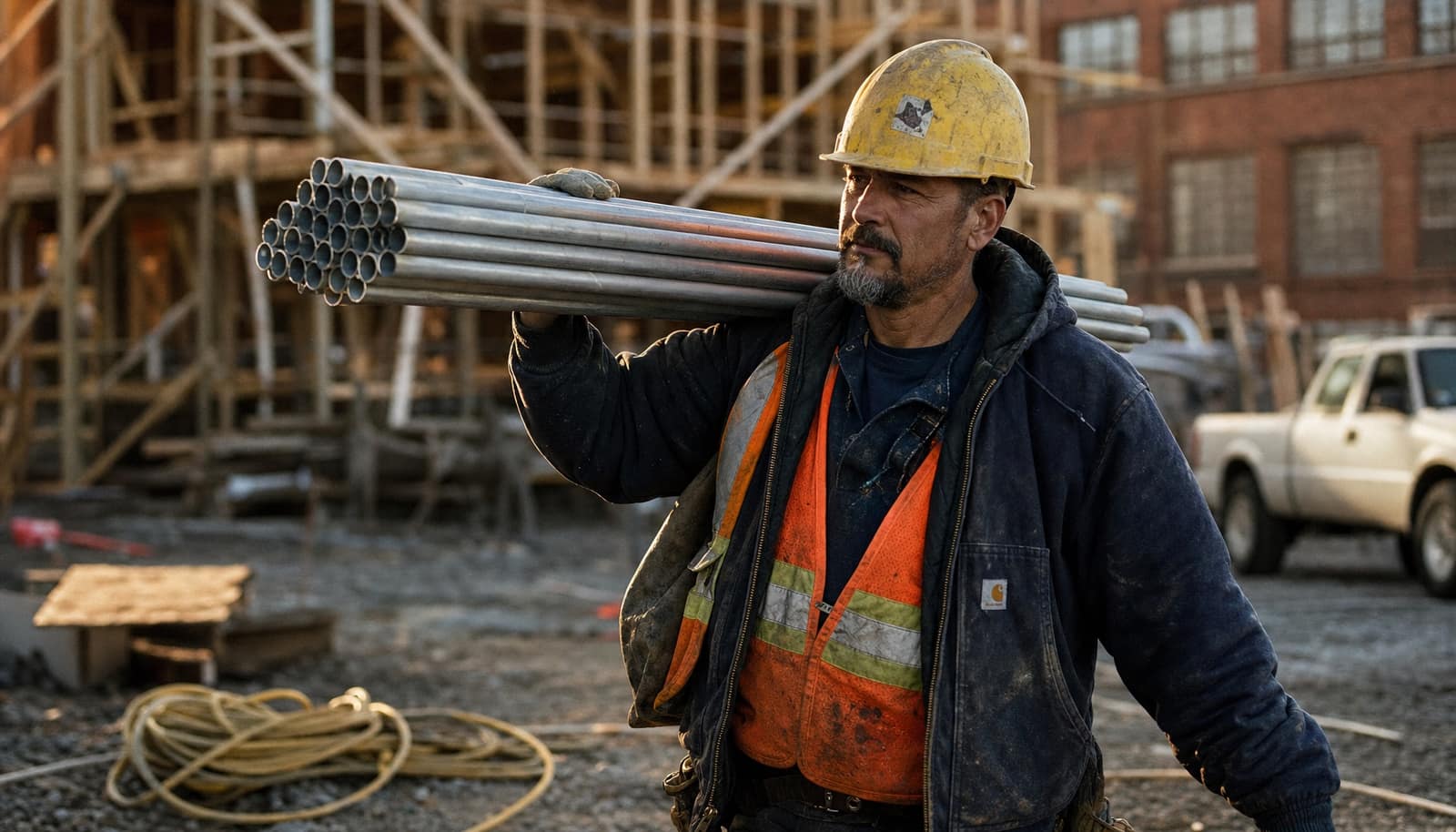
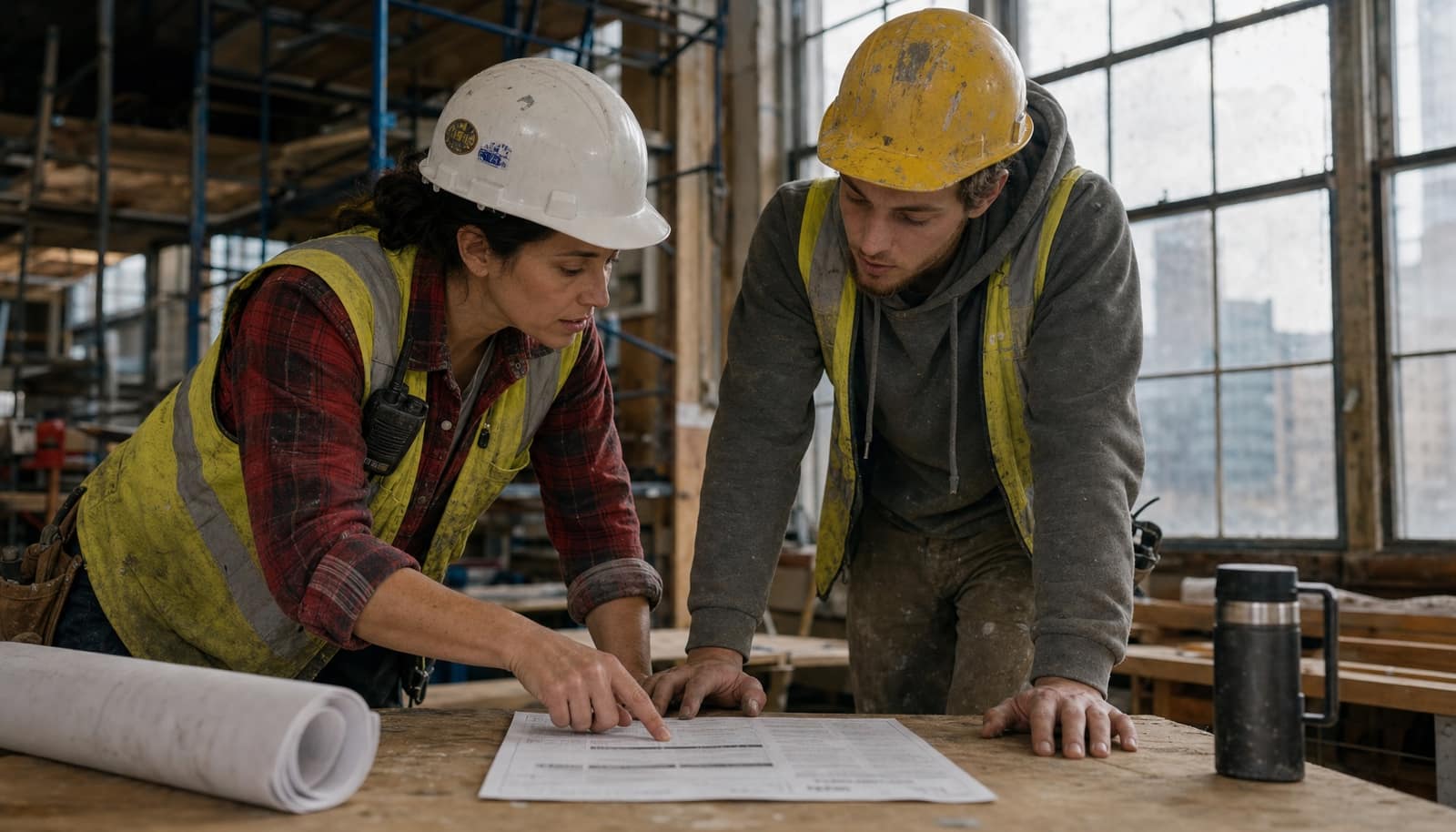
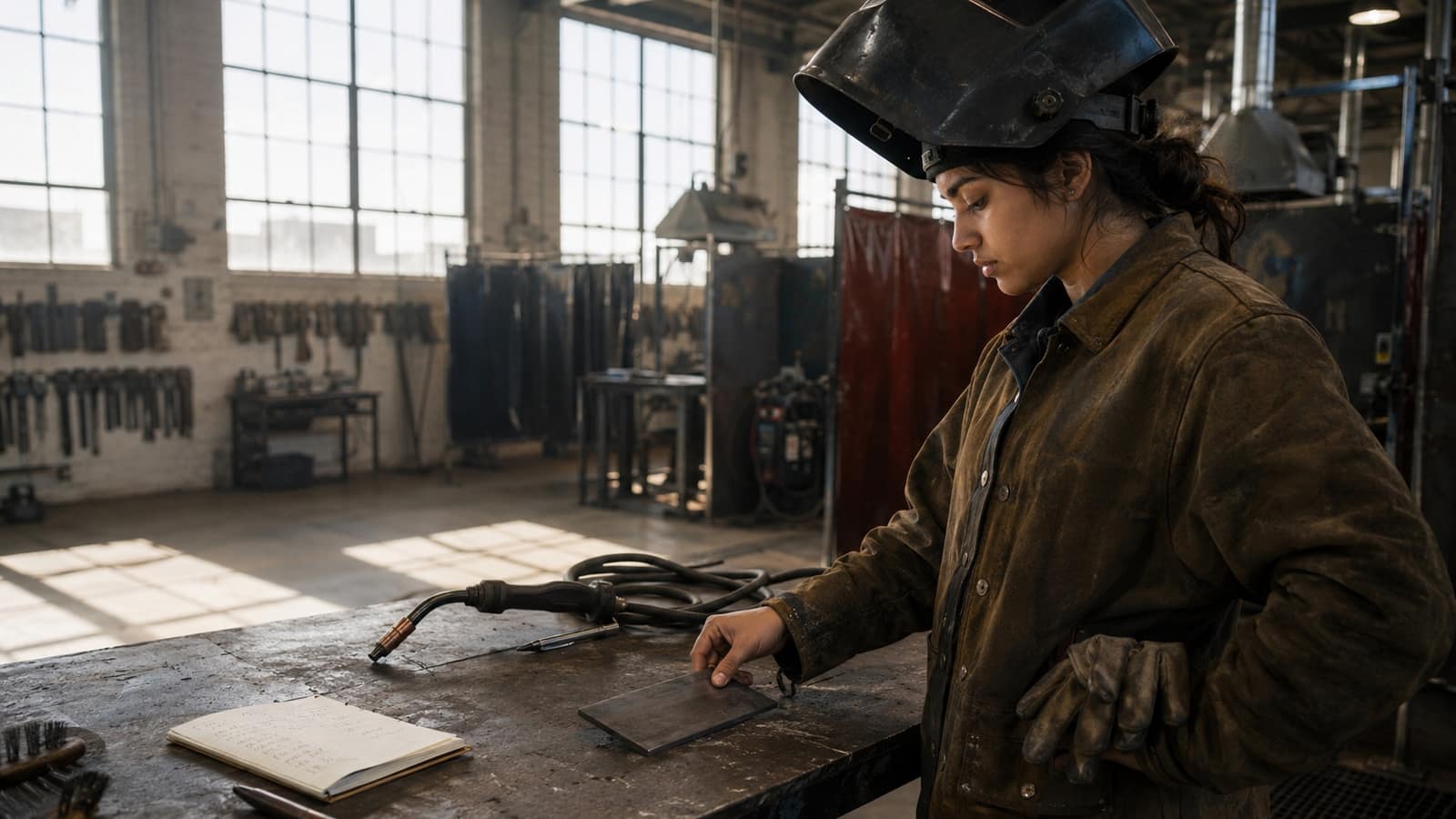
Now picture another first-generation student. Nobody in their family has ever worked in the trades, and they’ve decided to become a welder, an electrician, a millwright. Where’s the celebration? Where are the grants, the congratulatory articles, the government initiatives? More often these students get a raised eyebrow: are you sure you don’t want to go to university? As if they’re stepping down instead of stepping up.
We think it’s time to fix that.
The first-generation story we already tell
For decades, Canada and the U.S. have made it a priority to move students from non-university backgrounds into higher education. Billions in financial aid. Mentorship programs. Recruitment campaigns aimed squarely at kids whose parents never set foot in a lecture hall. Universities track those numbers proudly.
And rightly so. Education changes lives. A first-generation university student carries weight beyond the classroom: no family roadmap, financial strain, the pressure of going first. When they succeed, we recognize the determination and the social progress it represents.
We just don’t extend the same enthusiasm to the kid who’s first in her family to pick up a torch.
The first-gen university grad gets a stage and a scholarship. The first-gen welder gets “are you sure?”
Fifty years of steering kids away
For half a century, North America has worked hard to convince young people that university is the only real path. Guidance counsellors push degrees over diplomas. Media glorifies white-collar work and so-called lifestyle jobs, whatever that means. Well-meaning parents talk their kids out of the trades over dinner.
The result is a workforce shortage that now threatens construction, manufacturing, and most of the industries that keep the lights on.
The campaign was too successful. A generation was sold the idea that working with your hands meant settling, even though plenty of trades pay better than the office jobs that require a degree. The unintended damage runs deeper than headcount. We didn’t just hollow out the workforce. We dismantled the way people used to get into these careers in the first place.

The family pipeline that broke
Historically, the trades ran on family. If your father was a carpenter, you had a foot in the door. If your uncle ran an electrical company, you had an apprenticeship waiting. Outside the immediate family, the network still carried: a neighbour, a family friend, a mentor would introduce you to the trade and show you the ropes. Lillian Ann Baumbach, the first woman in the United States to hold a plumbing licence back in 1951, probably gave a few young people their first shot too.
That system kept the industry stocked with prepared, reliable workers for generations.
With a generation steered away from the trades, the built-in pipeline is gone. If your parents, your uncles, and your neighbours never worked in the field, who’s introducing you to it? Massive demand for skilled workers. No structured way for new people to find the door.
That’s exactly why first-generation trades students matter so much right now.
New pathways, new recognition
Reviving the trades means building new entry points. Structured programs that introduce students, especially those with no family history in the field, to careers they’d never have considered on their own. Pathways that don’t depend on knowing somebody, and that put the focus on real skills, hands-on time, and direct access to employers.
This isn’t only about fixing a labour shortage. It’s about making the industry more open, more current, and easier to join from the outside.
They’re stepping into a world their families never knew. That deserves the same stage.
The same way we celebrate first-generation university students, we should be celebrating first-generation trades students. They’re walking into a world their families never knew. They’re pushing back on stigmas that have hung around for fifty years. They’re redefining what a successful career looks like, and they’re doing it without a roadmap.
The bottom line
For decades we’ve championed the first-generation university student, and we should have. The courage to enter an unfamiliar world is real. The same is true for the first-generation tradesperson. They’re breaking barriers. They’re pioneers. They’re essential to what comes next.
At Trade Smart College, we’re building those pathways, helping students from every background show up prepared, focused, and reliable. The industry needs them. The country needs them. The only question left is when we’ll start treating their first day on the tools the same way we treat a first day on campus.