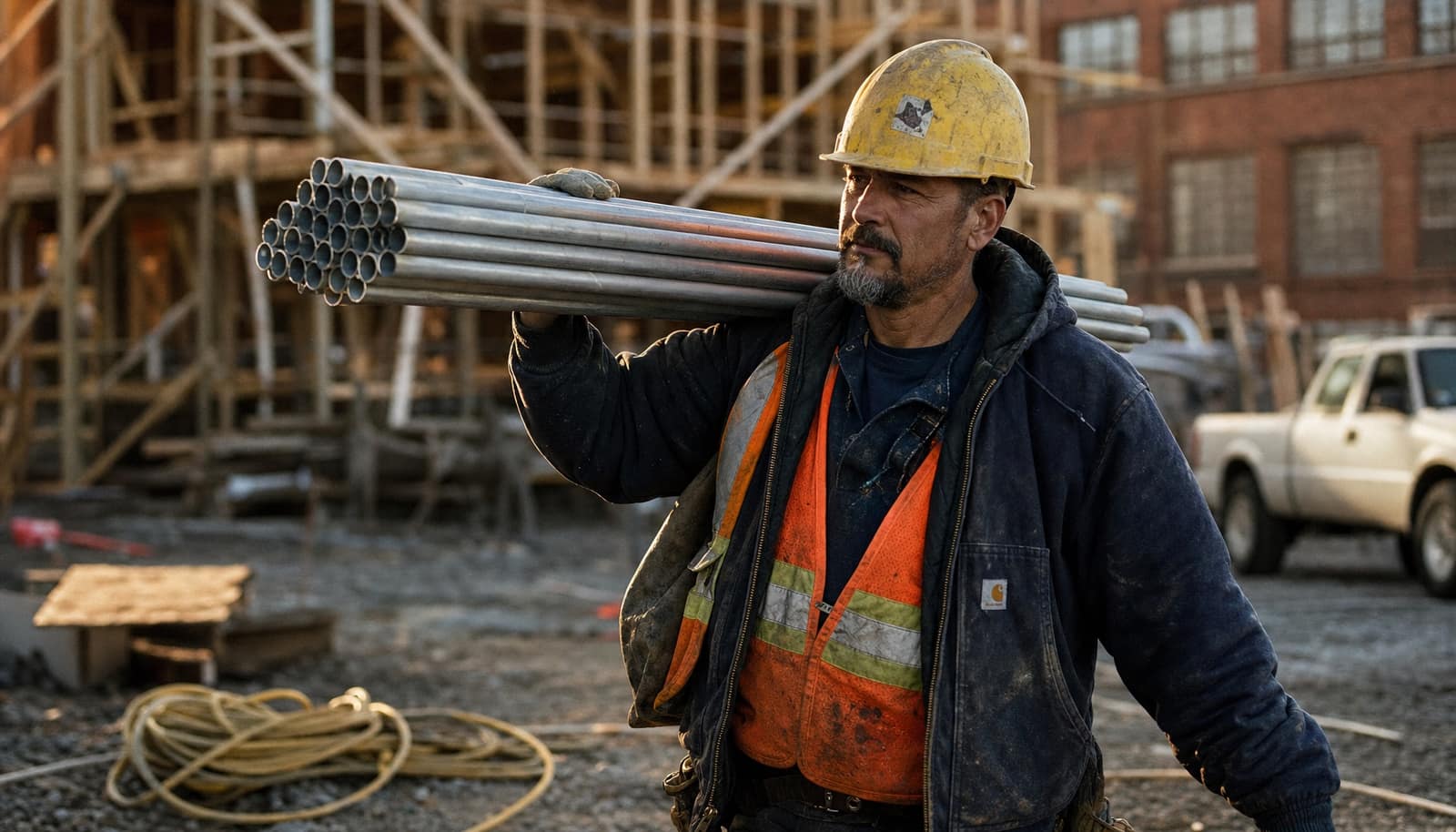
The Ontario government has committed to funding 5,000 new apprenticeship seats every year for the next four years. That’s real money aimed at a real problem. The skilled trades shortage is severe, and the in-school backlog has been choking apprentices who are trying to finish their training.
But there’s a misunderstanding baked into how this announcement gets reported, and it matters. These 5,000 seats are not entry points into the trades. They’re seats for people who are already in.
Getting an apprenticeship spot isn’t the hard part. Getting that first job is.
What the funding actually pays for
Apprenticeship schooling (what people sometimes call “trade school”) is not where you go to learn a trade from scratch. It’s the in-class portion of training that registered apprentices are required to complete between work terms. Level 1, Level 2, Level 3.
To sit in one of those seats, you already need to be an apprentice. That means an employer has hired you, signed an apprenticeship training agreement, and registered you with the province. You have an apprenticeship number before you ever set foot in a classroom.
You can’t walk into a college and sign up for an apprenticeship program. The system doesn’t work that way. Only publicly funded colleges, unions, and a handful of registered training providers can deliver this in-school training. Career colleges, Trade Smart College included, are not eligible.
So when the government funds 5,000 new seats, the people walking into those seats are people who already have a foreman, a job, and a paycheque.
Why that’s still good news, partially
If you’re already an apprentice, this is a real win. The current backlog is brutal. Apprentices wait months, sometimes longer than a year, for a Level 1 spot. Their progress to journeyperson status stalls while they wait.
More seats means less waiting. More journeypeople coming out the back end of the system. That’s good for the industry and good for productivity.
It just doesn’t address the front end at all.
The bottleneck nobody’s funding
The hardest part of getting into the trades is getting that first job. Employers are cautious about taking on inexperienced workers because training someone who isn’t ready is expensive and frustrating. A foreman who burns three weeks on an apprentice that quits or can’t be trusted on a ladder doesn’t want to do it again.
Right now, there are two reliable ways people land their first apprenticeship.
The first is connections. If your uncle runs a mechanical contracting shop, or your dad’s friend is a foreman at a sheet metal outfit, your odds go way up. That’s how a lot of trades careers actually start. It works, but it’s not a workforce strategy. You can’t scale “knowing the right person.”
The second is pre-apprenticeship programs. These exist specifically to bridge the gap: to give job seekers enough foundational skills that an employer will take a chance on them. The problem is that most publicly-funded pre-apprenticeship programs just replicate the Level 1 curriculum. They teach more theory to people who don’t yet need theory. They don’t teach the thing employers are actually screening for.
What a foreman is actually screening for
Ask a contractor what makes a good first-year apprentice and they will not lead with technical knowledge. They’ll lead with whether the kid shows up at 6:55 AM. Whether they can take direction. Whether they put their phone away. Whether they ask a question instead of pretending they understood.
Professionalism is the gate. Reliability, work ethic, communication, problem-solving, the willingness to learn something new on a Tuesday and apply it on a Wednesday. Employers will train the technical skills. They won’t train you to be a functioning adult on a jobsite.
This is the part the funding doesn’t touch. A pre-apprenticeship program that teaches conduit bending without teaching jobsite conduct is solving the wrong problem.
Does this funding solve the shortage
No. It helps existing apprentices finish faster, which matters. But it does nothing to bring new people into the trades.
A real solution looks different. More employer incentives to hire green apprentices. More paid work experience that gets people on a jobsite before they’re signed on. Pre-apprenticeship programs that take professional skills as seriously as technical ones, because that’s the actual hiring filter.
Funding the people already in the system is not the same as building a pathway into it.
What we do about it
Trade Smart College sits squarely in the gap this announcement doesn’t address. We prepare people for that first job, the hardest one to get. The curriculum blends technical fundamentals with the professional skills employers are actually screening for, and every student does a six-month paid internship before they graduate. By the time they’re sitting across from a foreman, they’ve already shown up to a real jobsite, on time, every day, for half a year.
That’s how you move someone from “looking for an apprenticeship” to “registered apprentice.” The 5,000 new seats matter. They just start counting after the hard part is already done.