Where the money actually leaks
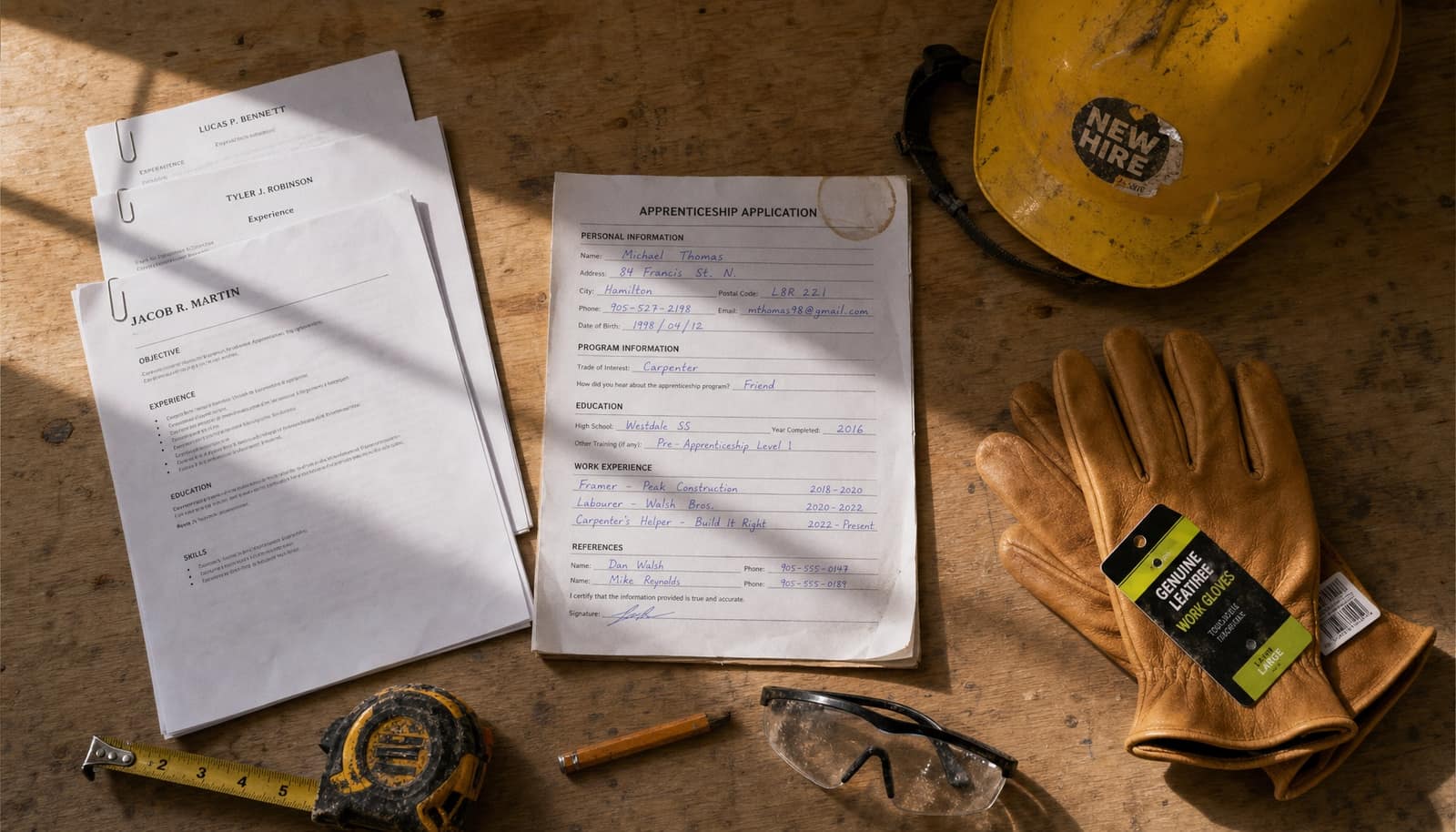
Hiring in the trades is a gamble. Most shops know how to handle technical mistakes: a journeyperson stands over the apprentice’s shoulder during the tricky bends, the foreman checks the layout before anyone cuts. That part is centuries old.
The leak isn’t there. The leak is the 7:15 arrival on a 7:00 start. The dust tracked across a client’s hardwood. The tools left in the driveway overnight. None of those show up on a skills test, and all of them cost the shop money the first week the new hire is on site.
When an intern leaves a site dirty or rolls in late, the cost ripples. The crew waits. The client calls. The journeyperson who was supposed to be running cable spends forty minutes staging instead. Multiply that across a six-month placement and you’re looking at real numbers.
The expensive mistakes aren’t the ones a master can supervise. They’re the ones that happen before he gets there.
Why the technical-first programs miss the point
Most pre-apprenticeship programs lean hard on technical content. It’s easier to teach. It photographs better. The simulated workshop with the brand-new mitre saws looks great in a brochure.
But that’s not what an employer is buying when they take on an intern. They’re buying somebody who can show up, work clean, and not embarrass the shop in front of a client. The technical piece gets sorted on the job, with supervision, the way it always has been. The professional piece is what nobody is teaching, and it’s what costs the shop the most when it’s missing.
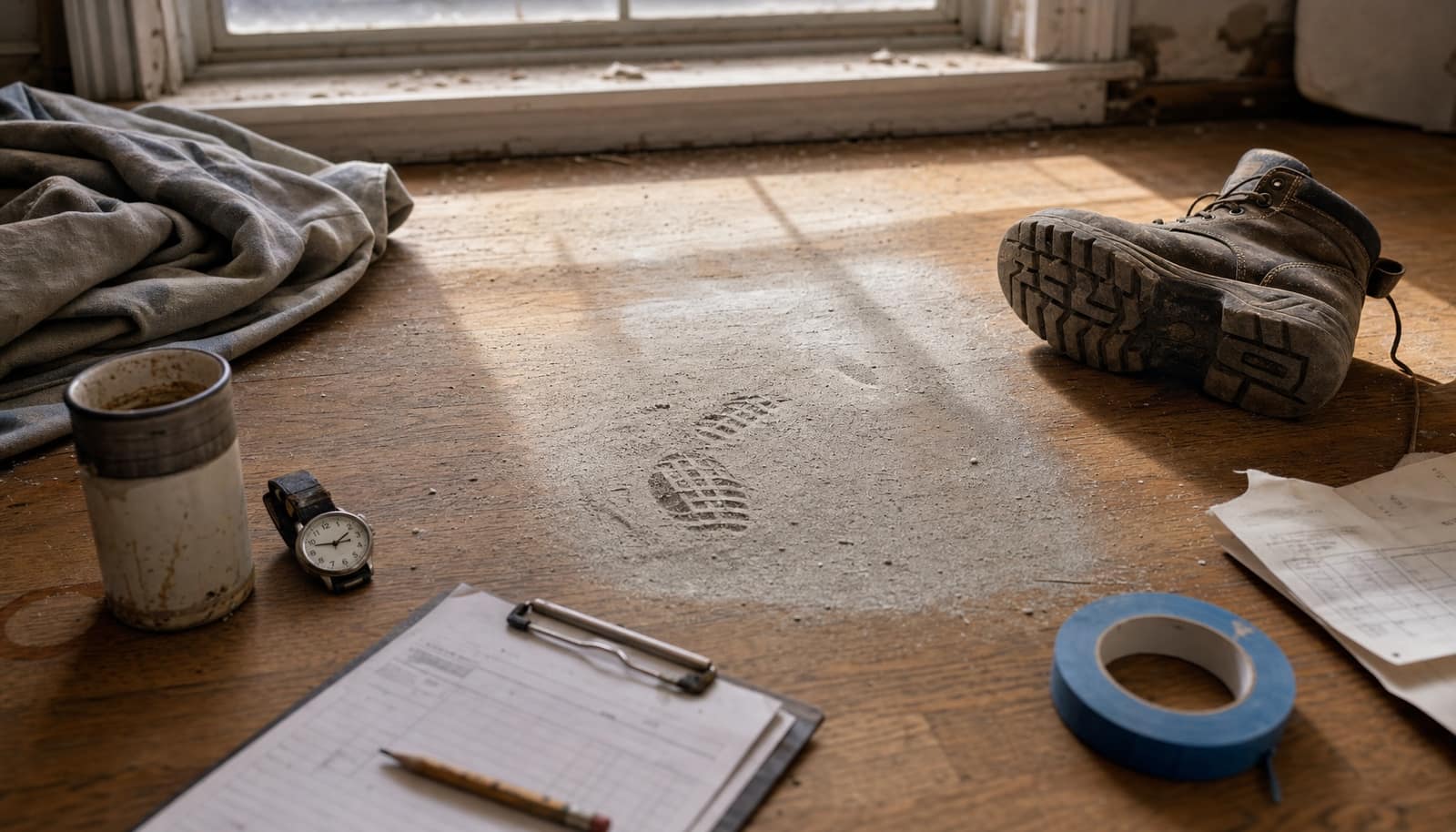
An intern who’s been pre-trained in the basics (punctuality, site etiquette, cleanup, how to talk to a client without making it worse) slots in. The foreman doesn’t have to babysit. The journeyperson stays on his work. That’s the saving.
The cheaper hiring pipeline
Recruitment is its own line item. Job ads, interviews, two weeks of onboarding, the cost of the senior hand who’s training instead of producing. Then a third of new hires don’t make it past ninety days anyway.
A six-month paid internship is a working interview. By the end of it, the shop knows exactly who they have. Work ethic, attendance, how they handle a hard day, whether they get along with the crew. If the intern transitions into a permanent role, the shop skips the entire recruitment cycle. If they don’t, the shop still got six months of contributing labour out of the arrangement.
The long tail
Short-term cost savings are the easy argument. The longer one matters more.
Interns who get a real placement tend to stay. They’ve already learned the shop’s systems, the foreman’s preferences, which clients are sensitive about which things. That institutional knowledge usually walks out the door with every turnover and has to be rebuilt with the next hire. Keeping it in place is worth more than most shops calculate.
In Hamilton specifically, where finding reliable long-term tradespeople is the constant complaint, an internship pipeline isn’t a perk. It’s how a shop builds a crew that’s still around in five years.
I’d rather train a kid who already knows how to show up than re-hire someone who doesn’t.
The bottom line
The cost of an unprepared hire isn’t the salary. It’s the delays, the client complaints, the senior hand pulled off real work to babysit. Those numbers are bigger than people think.
A paid intern who arrives pre-screened and pre-trained on the professional side flips the equation. The shop gets contributing labour from week one, a working trial of a potential permanent hire, and a pipeline that doesn’t depend on the next job ad. That’s the case we make to employers, and it’s the case Trade Smart College is built around.
The question isn’t whether to take on an intern. It’s whether to take one who’s ready, or one who isn’t.