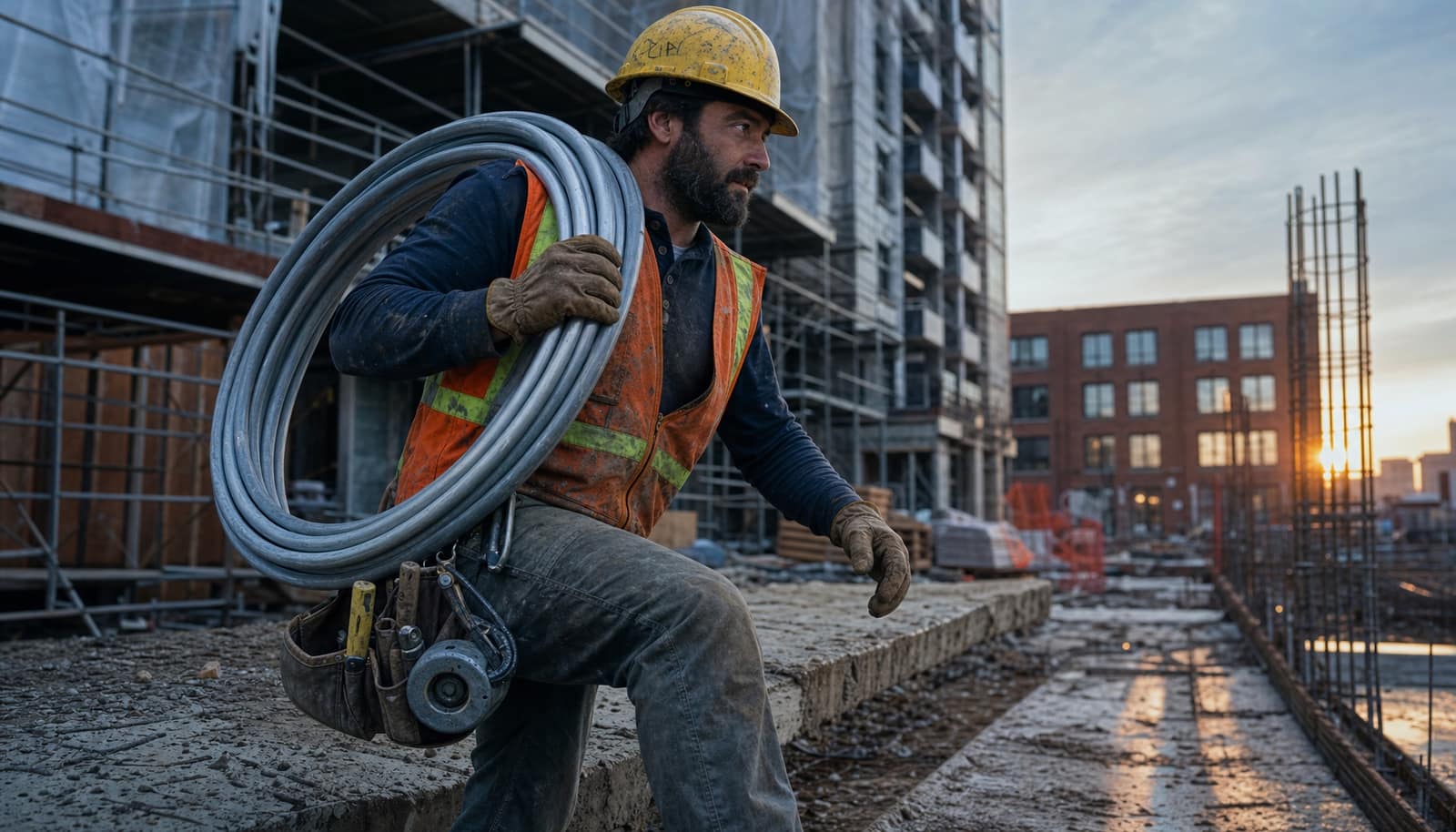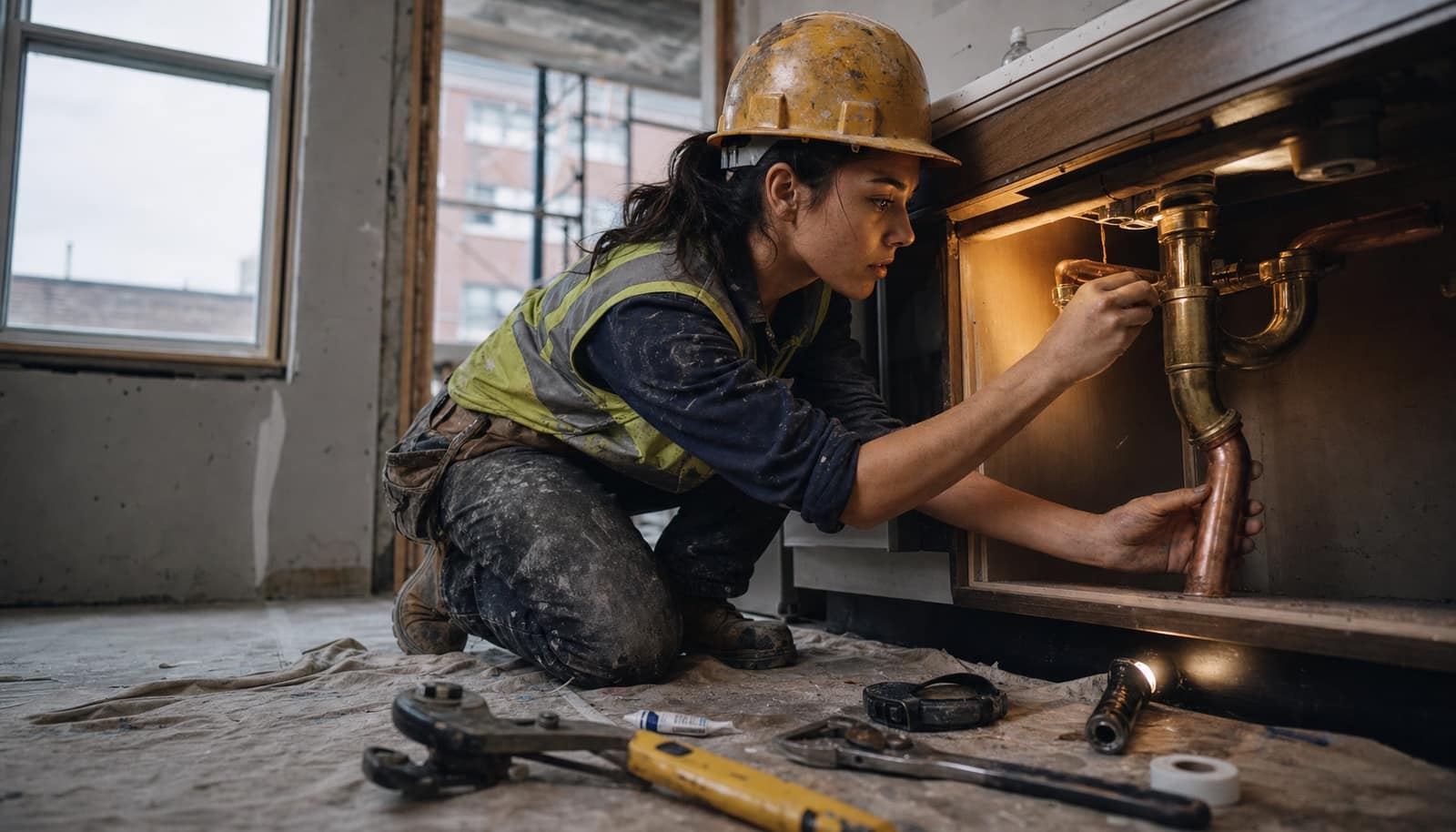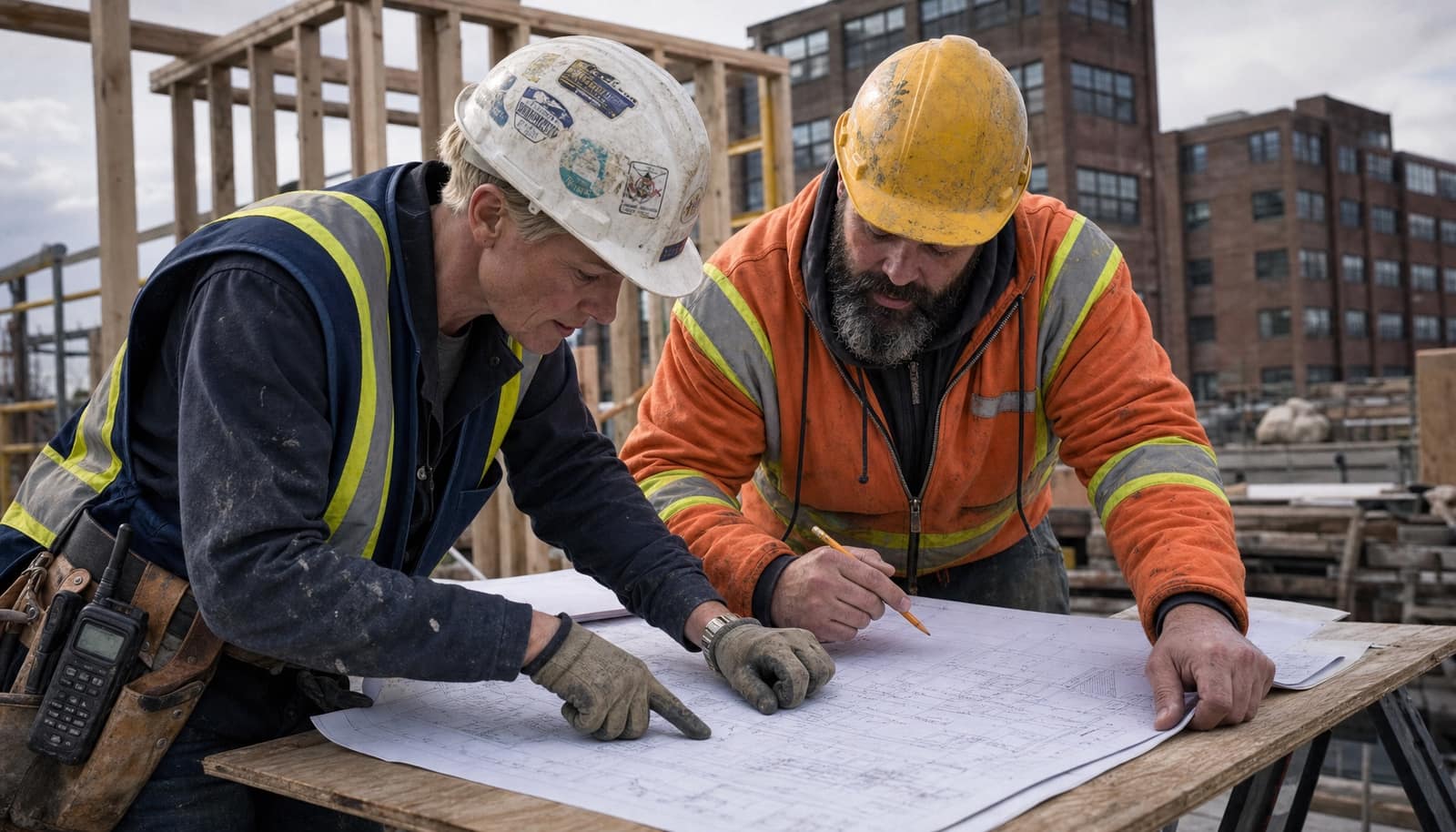
Ask a stranger what they picture when you say “skilled trades.” You’ll get the same answers every time. Dirty work. Backbreaking work. Low pay. The fallback for kids who couldn’t cut it in school.
None of that is true. All of it gets repeated anyway, by parents at the dinner table, by guidance counsellors, by people who’ve never set foot on a jobsite. We hear these stories at Trade Smart College from prospective students and their families almost every week. So let’s go through the four big ones.
The Plan B fallacy
The most damaging myth is that trades are where you end up when university doesn’t work out. The kid who couldn’t sit still in math class. The one who didn’t get into the program they wanted.
This is nonsense.
A licensed electrician has to understand circuitry, load calculations, and a code book that gets thicker every year. A welder works in materials science whether they call it that or not: heat, metallurgy, tolerances measured in thousandths. In Ontario, getting a Certificate of Qualification in a compulsory trade means classroom hours, apprenticeship hours, and exams that fail people regularly. The trades demand focus and adaptability. They aren’t where you end up because you couldn’t read.
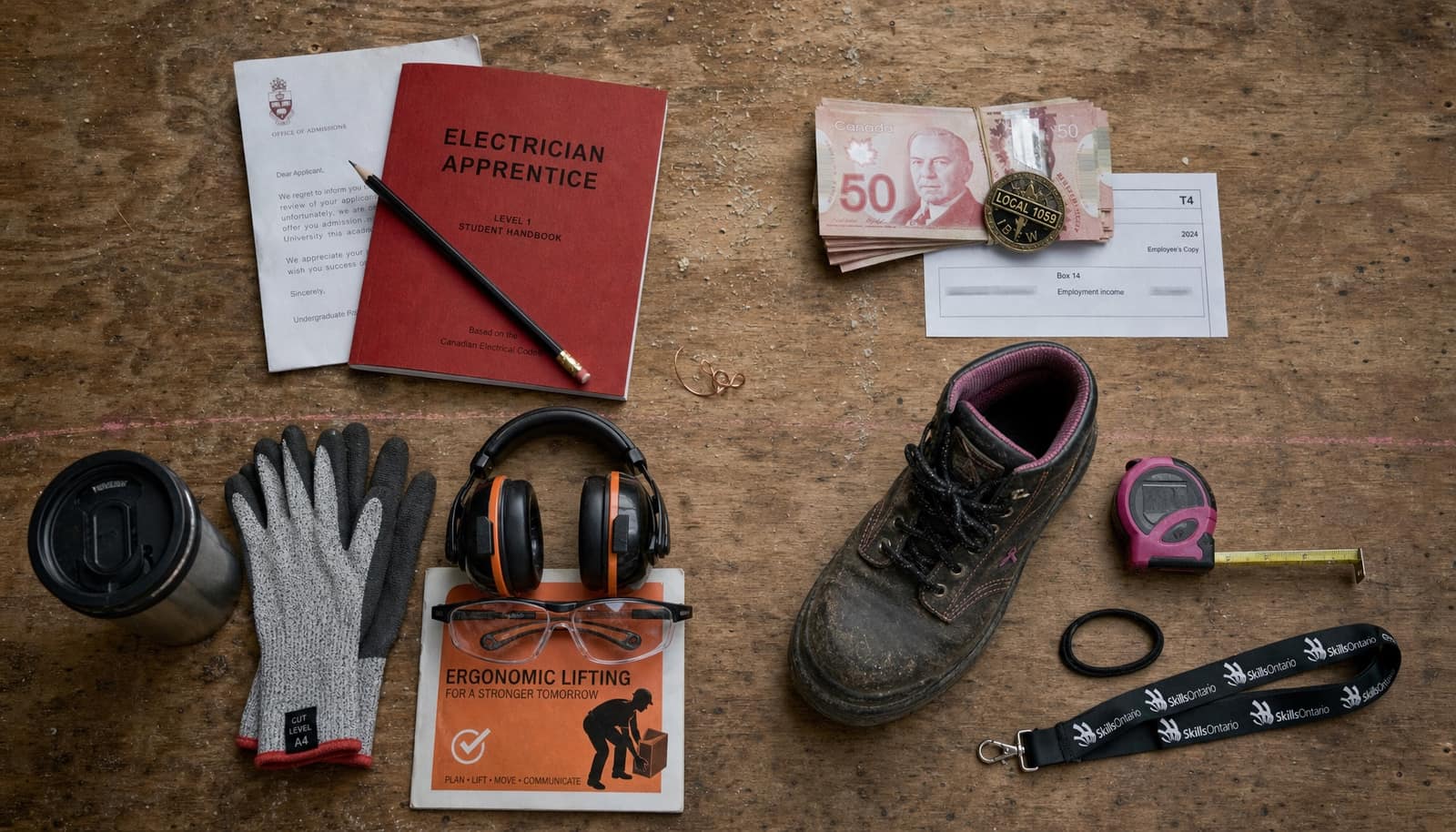
When we tell young people the trades are a backup plan, the smart ones who would have thrived in this work hear the message loud and clear. They go elsewhere. The industry loses them. The myth costs us.
Skilled trades demand focus, discipline, and adaptability. None of those traits live in a backup plan.
The pay ceiling that doesn’t exist
The second myth: trades pay badly and go nowhere.
Experienced electricians, plumbers, and HVAC technicians in Ontario routinely clear six figures. Run your own shop and the ceiling moves again. We know journeymen who out-earn the lawyers and accountants their parents wanted them to become.
Career paths branch in every direction. Master tradesperson. Foreman. Project manager. Estimator. Inspector. Instructor. Business owner. Specialist in a niche that pays a premium because almost nobody else can do it. The “dead-end job” framing assumes the work stops at the tools. It doesn’t.
The dirty, dangerous, backbreaking story
Some trades work is physical. Some of it gets dirty. None of that is the whole picture.
Ontario’s workplace safety regulations are among the strictest in the world. Tradespeople train on the equipment, the lift-points, the fall protection. The shop steward will stop a job over a missing harness clip. That’s the culture now, and it’s enforced.
The strength piece is overstated too. Technique and efficiency beat brute force on every job we’ve ever watched. Modern hand tools, lifts, and jigs have changed what the work asks of a body. A 130-pound apprentice who knows how to set up a load moves more material in a day than a 220-pound one who muscles through it.

A man’s world that isn’t anymore
The fourth story is the one that does the most damage to the labour pool. Women aren’t tradespeople. The trades aren’t for women. The shop is a man’s world.
Women are still underrepresented. We’re not pretending otherwise. But the direction has flipped. We’ve hosted two Women in the Trades Nights at the college this past year: tradeswomen, local politicians, students, all in one room talking about what actually moves the needle. The conversations are honest. They aren’t about whether women can do the work. They’re about how to bring more of them in.
Employers are catching up. The shops we work with want diverse crews because diverse crews solve problems faster and stay together longer. The labour shortage in Ontario is real, and excluding half the population from a career path is not a strategy any contractor can afford anymore.
Nobody on a job site cares whether you’re a man or a woman. They care whether you can read a print and show up at six.
What we’re actually fighting
The four myths share a common shape. Each one tells a young person, or their parents, that this work isn’t for them. Not smart enough. Not lucrative enough. Not safe enough. Not the right gender for it.
Each one is wrong, and each one keeps people out of careers they’d be good at.
At Trade Smart College, we spend a lot of time on technical training. We spend almost as much on dismantling the stories students arrive with. The skills shortage in this province isn’t going to fix itself. It gets fixed when we stop telling people the trades are something to settle for, and start telling them what they actually are: skilled work, well-paid, open to anyone willing to do it.