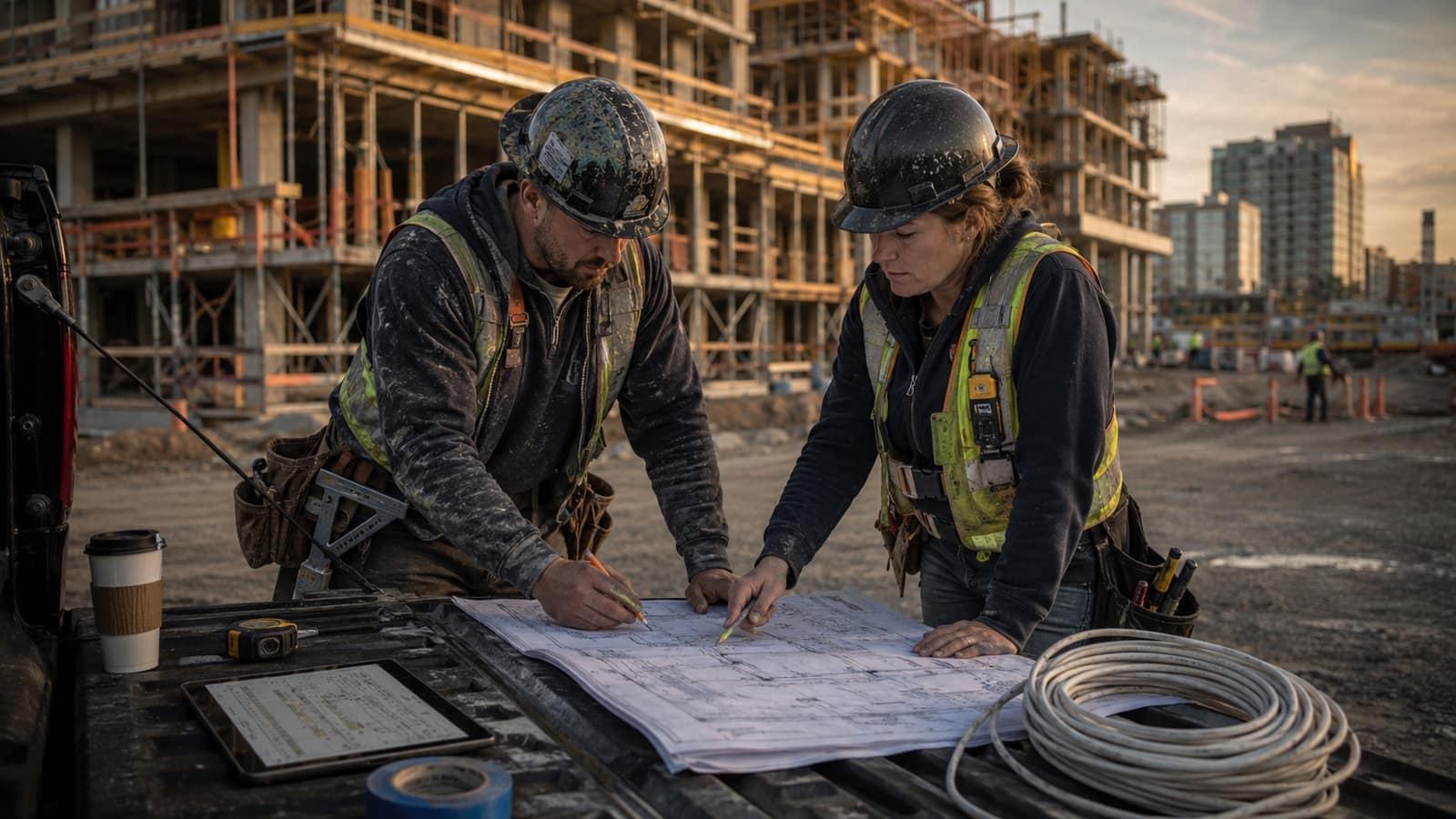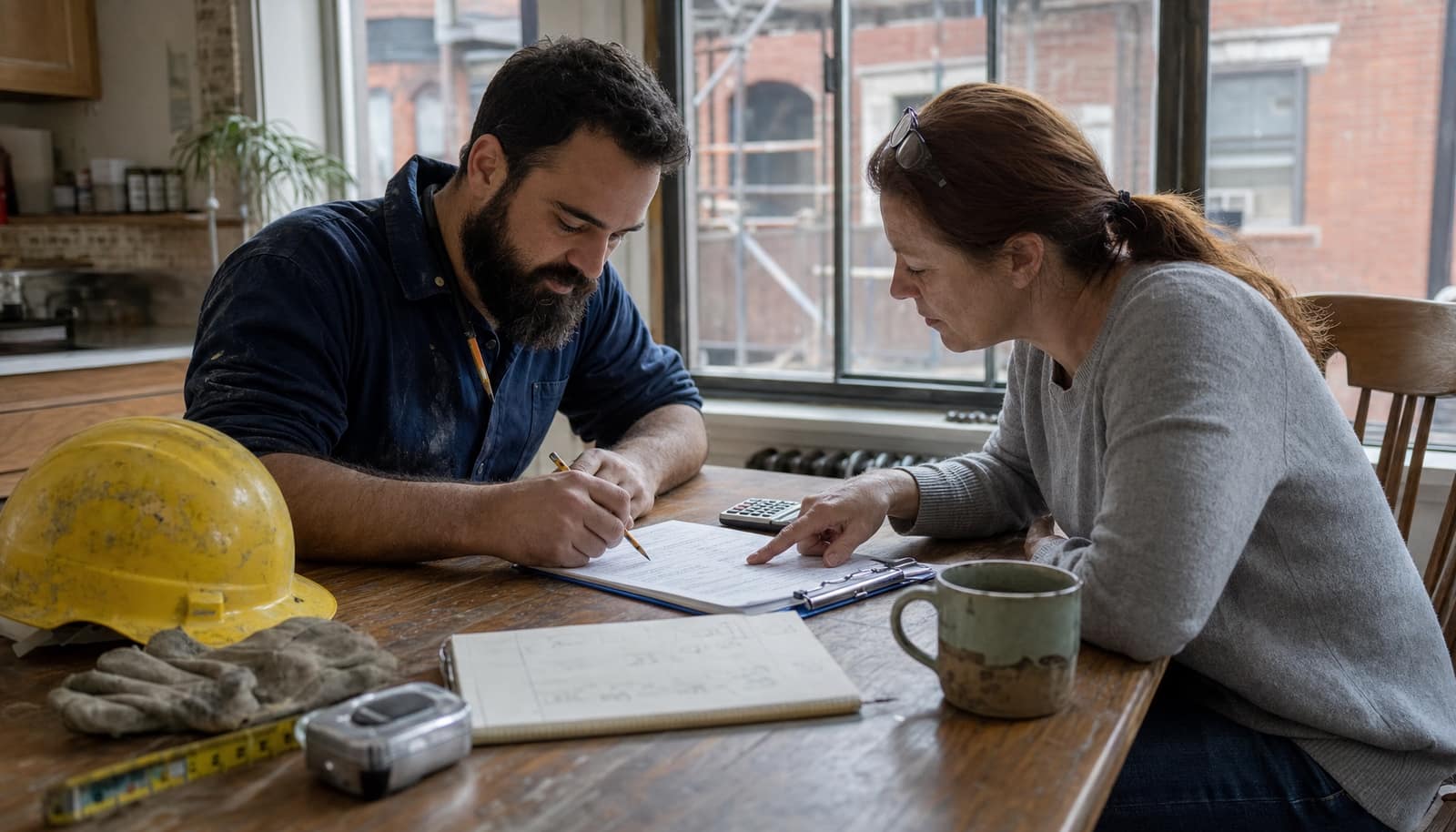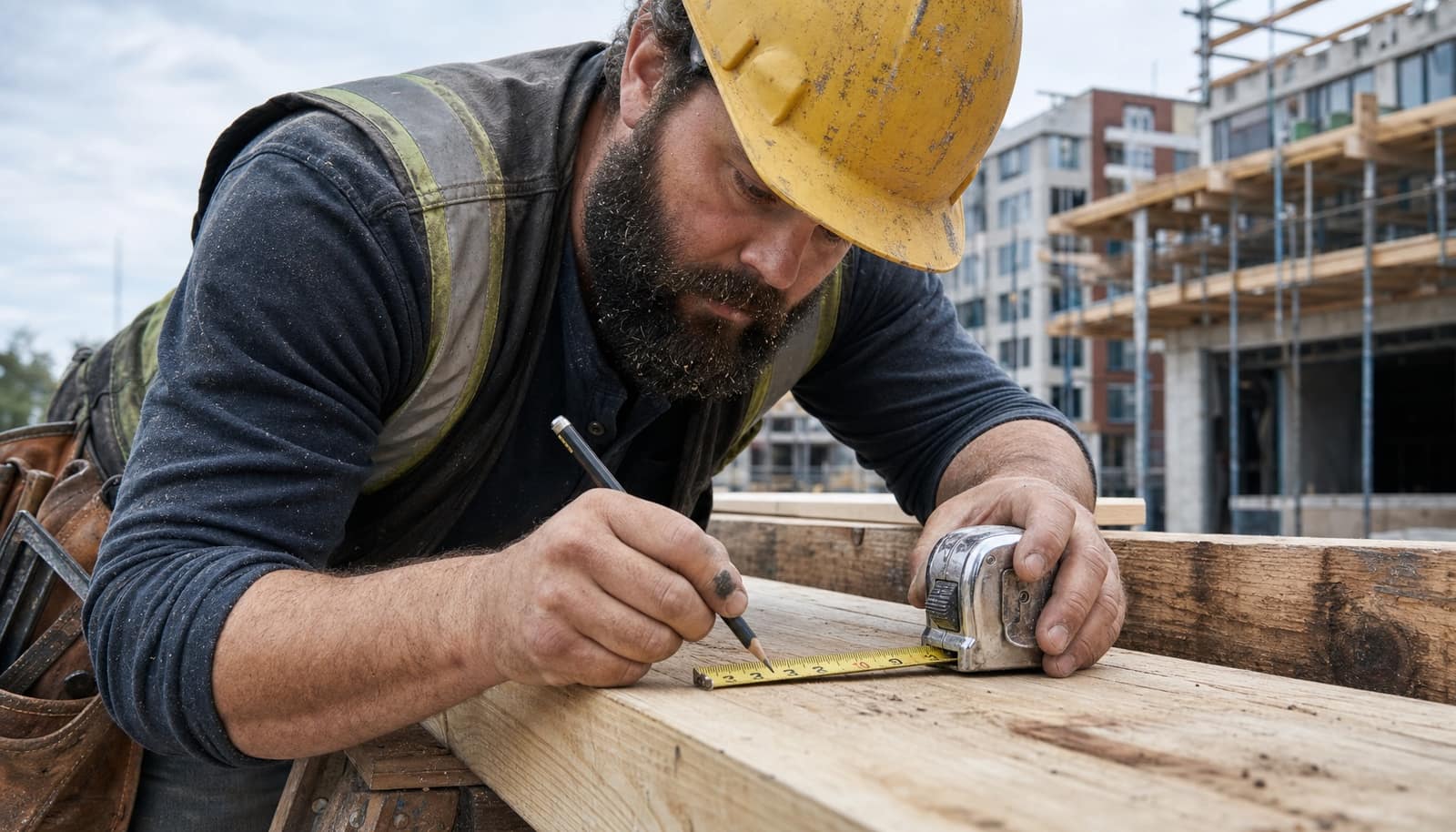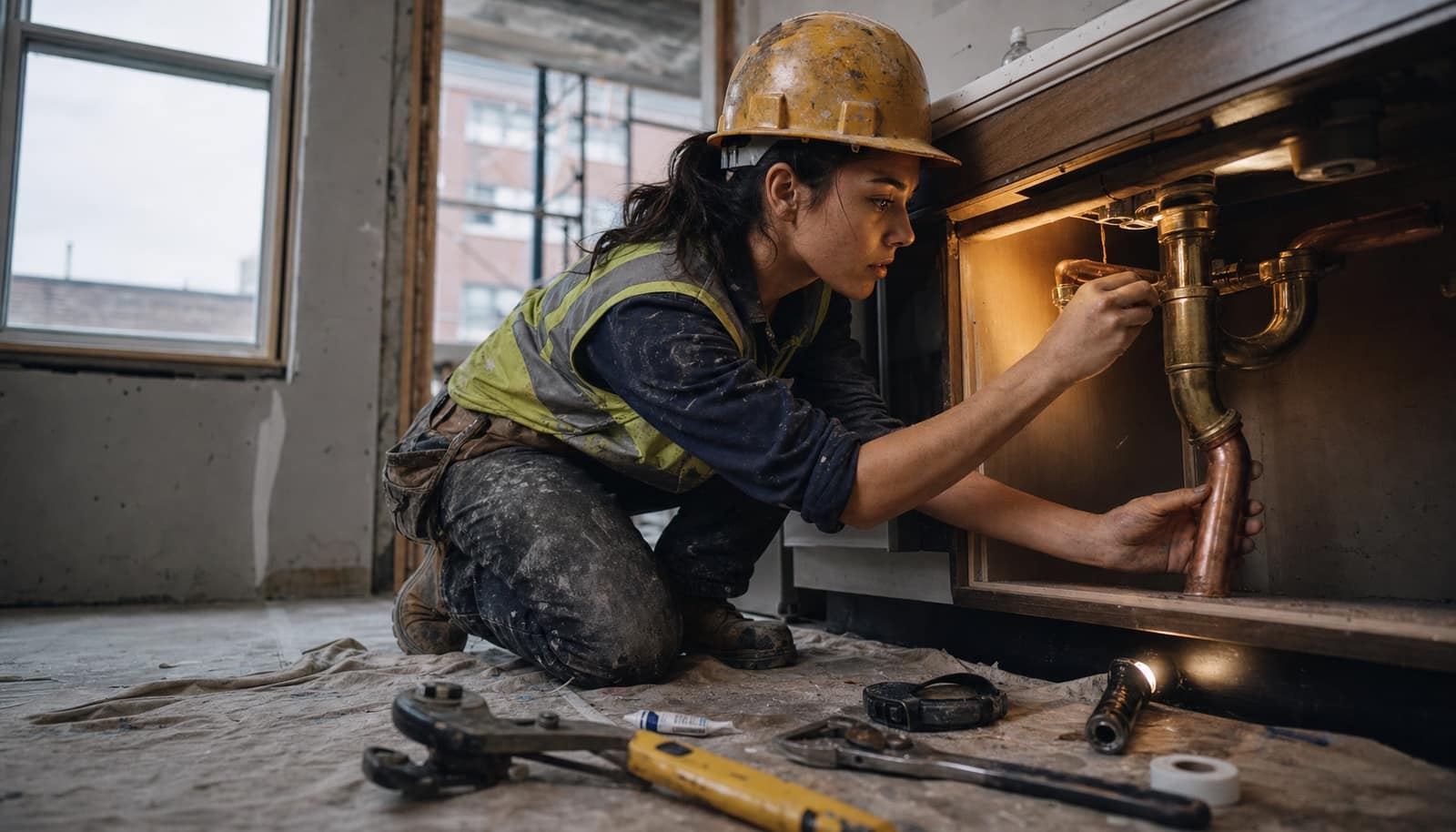
In the trades, nobody cares how well you can recite a textbook definition. Employers care about what you can do with your hands, your tools, and your time on the clock. Most of traditional education is still stuck testing memory instead of building skill. We’ve turned that around. Our classroom mirrors how people actually learn a craft: through failure, repetition, and feedback that lands.
Tradespeople get hired and kept on for reliability, efficiency, and adaptability. Not for the theory of why a pipe bursts. That’s why most of our in-class time goes toward building the professional skills that get people jobs and let them keep them.
Memory tests don’t make a tradesperson
Picture asking a plumber to fix your leaking sink because they scored 95% on the theory exam. Nobody would do it. The grade tells you nothing about whether they can read the room, find the shutoff, and stop the water in the next ten minutes.
Skill, whether physical or mental, only develops through practice, critical feedback, and repetition. There’s a hard difference between knowing the steps and applying them under pressure with someone’s kitchen flooding. By treating failure as part of the work, students learn to adapt instead of freeze.
Skill only develops through practice, critical feedback, and repetition. The grade tells you none of that.
Feedback is the actual tool
In most of education, feedback is an afterthought. A letter grade. A few comments scribbled on an exam that the student glances at and files away. That’s not feedback. That’s a verdict.
Real feedback is constructive. It tells a student what went sideways, why it went sideways, and what to try differently the next pass. Darabi and colleagues, in a 2018 meta-analysis published in Educational Technology Research and Development, found that students who go through the failure-and-feedback cycle build skills better than students who don’t get that chance. The effect is strongest for the professional skills that matter most on a jobsite.
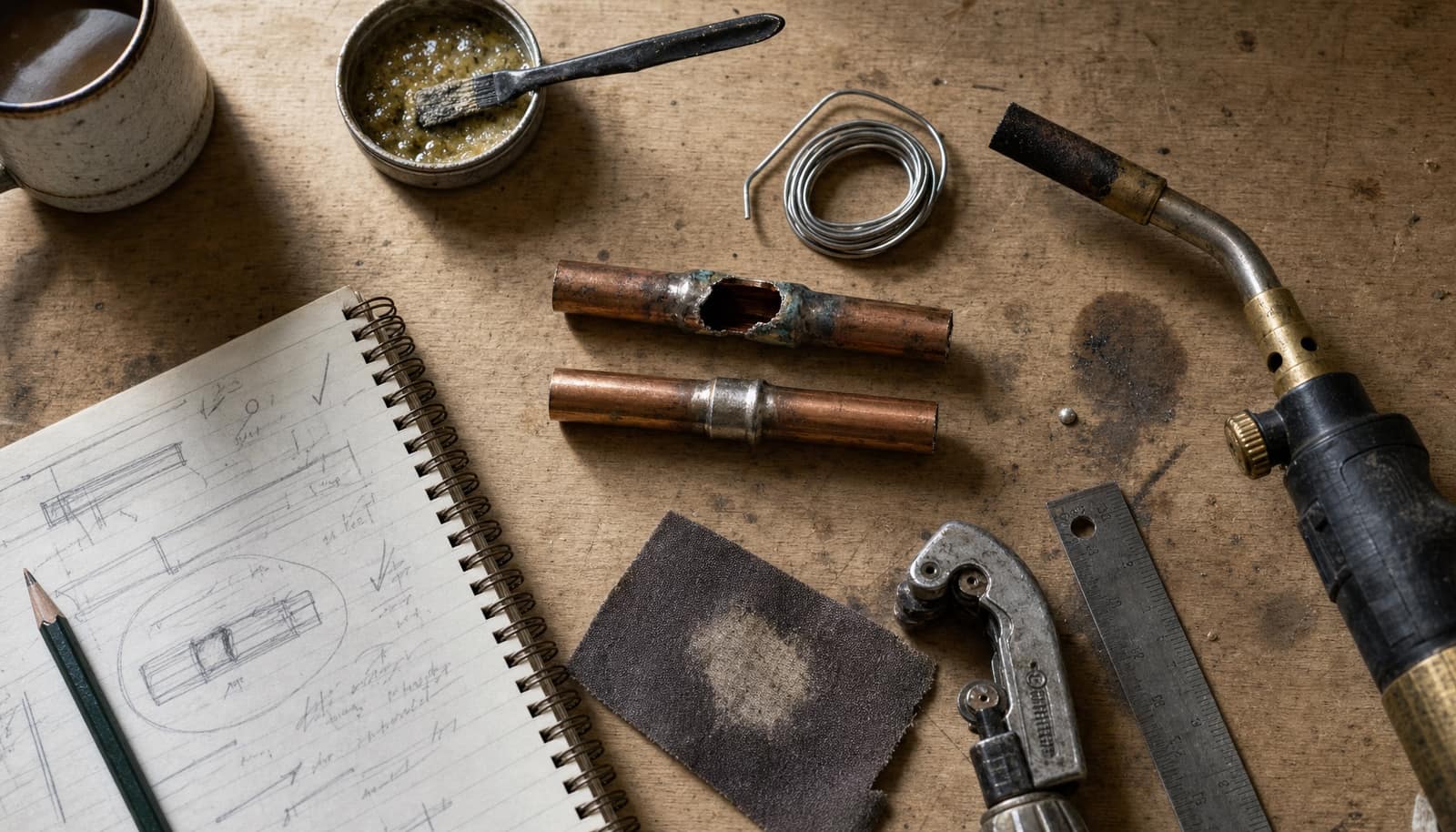
So we put real time into feedback. Not as a closing comment on a grade sheet, as the main event.
Mistakes are where the learning lives
A mistake isn’t the end of anything. It’s where understanding starts. When an entry-level worker miscuts a length of pipe or sets a level wrong, the foreman shows them why, and the next cut is straighter. That’s the loop. Repeat it enough times and you have a tradesperson.
The catch: this loop only works if the student is open to it. Thiel and Semrau (2022) showed that feedback on failure can either trigger defensiveness or it can drive learning. The deciding factor is openness to criticism. So we spend real classroom time on the skills of learning itself, including how to take a hard piece of feedback without going sideways. It doesn’t matter how clean someone can pull wire if they can’t hear that they pulled it wrong.
Grades don’t predict who shows up Monday
Grades have been the yardstick of school for a long time. On a jobsite they mean almost nothing. No homeowner asks about your GPA while you’re bleeding their radiator. They want to know if it’s fixed, if it’s done right, and whether you cleaned up after yourself.
Employers look at the work. That’s why we evaluate students through practical demonstrations instead of paper exams. Students show what they can do on real tasks, get critiqued on the spot, and try again. The graduates we send out aren’t guessing about whether they can perform. They’ve already performed, in front of someone who told them the truth about it.
No client asks about your GPA when you’re fixing their heating system.
What this actually produces
Failure-and-feedback isn’t a novelty teaching method. It’s the philosophy that matches how the trades actually work. Students come out the other side prepared, reliable, and adaptable. They know how to do the task, and they know why the task is done that way, which is what makes someone worth keeping around past the probation period.
We get it wrong sometimes. Some lessons land harder than others, and some cohorts trail others on certain skills. We share both numbers with the students because that’s the same standard we hold them to. In the end, it’s not about the grades anyone earned. It’s about what they can put down on the bench Monday morning.