The paradox
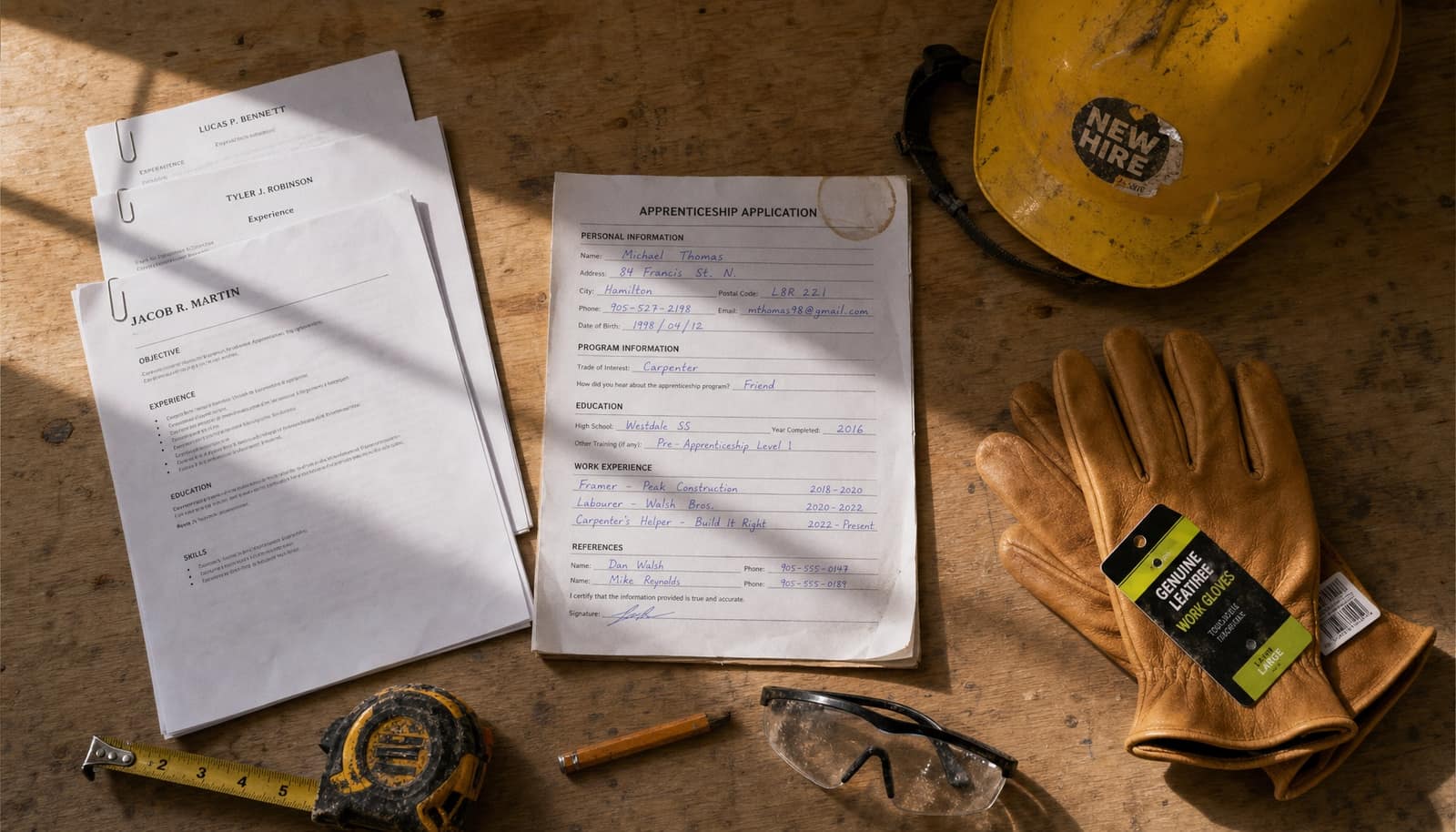
Most companies want to hire people who already have experience. But you can’t get experience without being hired. Every aspiring tradesperson hits this wall at some point, and it’s the single most discouraging part of trying to break in.
Employers aren’t wrong to think this way. A new hire is expensive. Onboarding takes time. A candidate who has already proven they can show up, take direction, and not get hurt on a real site is worth more than one who hasn’t, even if their classroom marks are identical.
So what about everyone who doesn’t have an uncle in the trades? No family connection, no lucky break, no foreman willing to take a chance. If we’re serious about the labour shortage, hoping isn’t a strategy. The pipeline needs to be built deliberately.
You can’t get hired without experience. You can’t get experience without being hired. Somebody has to break the loop.
What an internship actually is
The fix is the internship, sometimes called a co-op, sometimes called a placement. The name matters less than the structure. A real internship puts a student inside a real company, on real jobs, with real consequences. They learn how the shop runs. They contribute something the foreman can point to. They build the kind of experience an employer recognizes when they read the resume.
Employers consistently rank jobsite hours above classroom hours when they’re sizing up a junior candidate. That’s not a knock on training. It’s a statement about what the work actually is. A jobsite tests things a workshop can’t.
But not every internship counts. A three-week practicum is barely a tryout. A part-time placement spread over a semester rarely puts the student in a position to own anything. The thin ones look good on paper and don’t move the needle.
What “substantial” means
The closer the internship looks to a real job, the more it teaches and the more it’s worth on a resume. Full-time. Several months. Long enough that the student stops being the new kid and starts being a contributor.
Six months full-time gets you past 960 hours. That’s enough time to make mistakes, get corrected, get better, and start being trusted with something that matters. It’s enough time for the foreman to know your name, your habits, and whether they want you back.
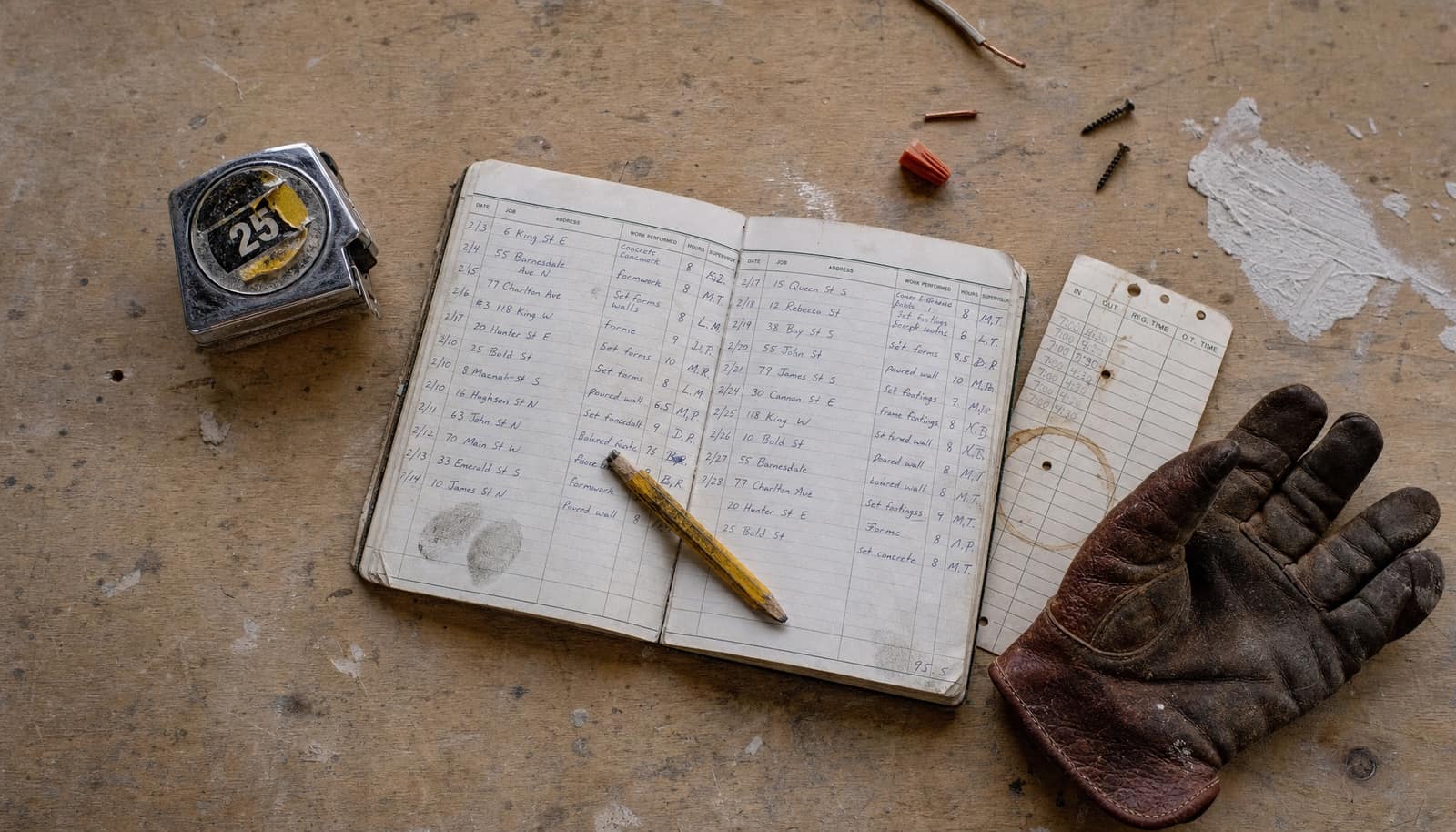
That depth is what separates an internship that opens doors from one that fills a checkbox.
Why employers weight experience over training
Ask a foreman what they want in a junior hire. Technical skill comes up, but it’s never first. First is whether the person shows up on time. Whether they take direction without getting defensive. Whether they can read a room when the day goes sideways.
Those traits don’t get taught in a lecture. They get developed in the moment a load gets dropped and somebody has to figure out the next move. Technical skills can be taught on the job. Professionalism can’t be downloaded. The internship is where it gets built.
For the employer, hiring someone who has already worked a comparable site cuts the risk in half. For the student, the same six months turns the resume from theoretical to verified.
I can teach a kid to bend pipe. I can’t teach him to be the kind of person I want around for ten hours a day.
How we built it in
Without a system, getting that experience comes down to luck: who you know, who answers the phone, who happens to need a body that week. We didn’t want students relying on luck.
Every Trade Smart College student is automatically placed in a six-month paid internship with a local trades company. By the time they walk across the stage, they have at least 960 hours of jobsite experience on the books. A meaningful share of those internships convert into permanent jobs with the same shop.
The point isn’t the program design. The point is what it does for the student. They graduate with something employers actually want to read on a resume: not a list of modules, but a list of months on a real site.
The bottom line
The experience paradox is real, and it’s brutal for anyone trying to break in alone. But it’s solvable. The fix is to stop treating the gap between training and employment as the student’s problem to figure out, and start building the bridge into the program itself.
That’s the work. The trades reward people who can prove they contribute. Our job is to make sure our students walk out the door already having proven it.