The numbers nobody on site is surprised by
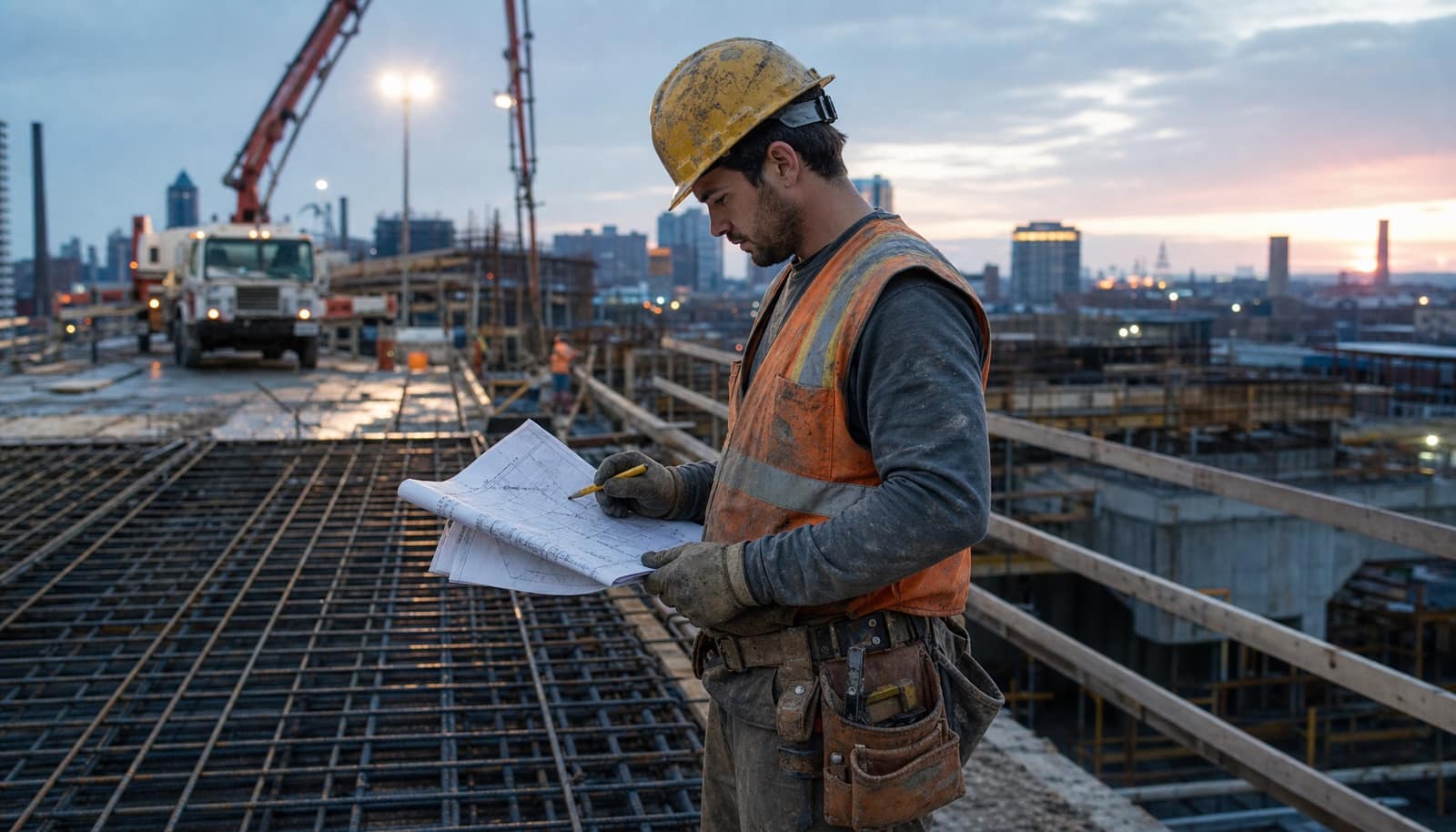
Walk onto any commercial build in Hamilton right now and ask the foreman the average age of his crew. He’ll tell you. It’s older than it was five years ago, and he knows exactly who’s planning to hang it up before 2030.
Statistics Canada put paper to what the trades have been saying out loud for a decade. Between 2016 and 2021, the number of tradespeople in this country fell almost 6%. The 15-to-24 cohort (the pipeline, the next generation, the kids who are supposed to take the belt off the retiring journeyman) dropped by over 12%. More than 31,000 of them, gone.
Meanwhile the number of tradespeople aged 65 and over who are still showing up to work jumped 111.8%. Read that twice. The pipeline is shrinking and the back end is staying on the job because there’s nobody to replace them.
The pipeline is shrinking and the back end is staying on the job because there’s nobody to replace them.
Why the kids aren’t coming
The reasons are tangled. A generation of guidance counsellors steered every kid with a pulse toward a four-year degree. Parents bought it. Schools bought it. The trades got framed as the backup plan instead of the plan.
Then COVID gutted the apprenticeship intake for two straight years. Programs cancelled. Hours unlogged. Hands-on training replaced with whatever could be Zoomed. A lot of would-be first-years just never came back.
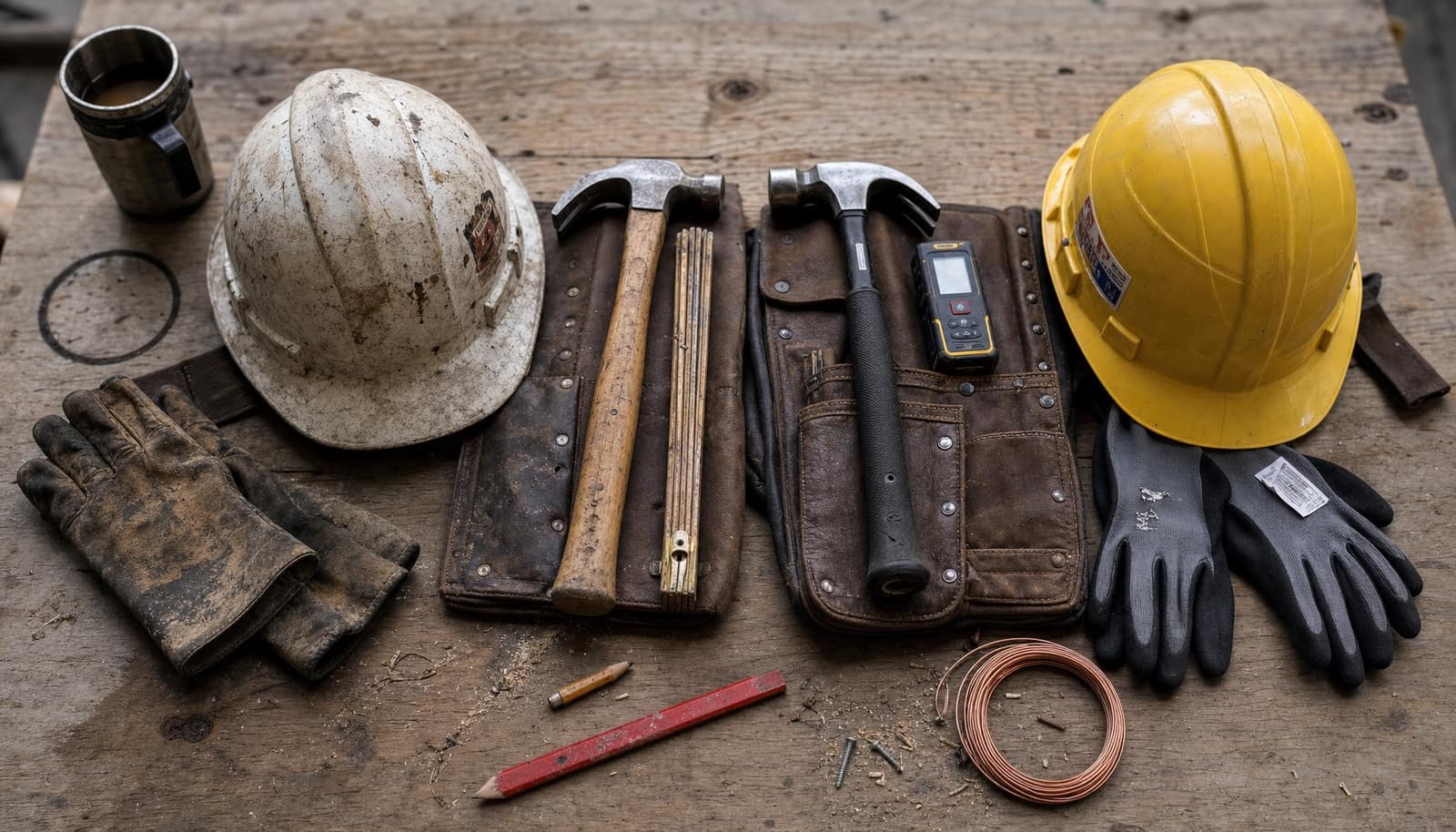
The result on the ground: foremen carrying more weight, journeymen training fewer juniors, and a labour pool that’s tired before the shift starts.
What an empty bench costs
BuildForce Canada’s 2023 report puts more than 61,000 unfilled construction positions on the table by 2032. Ontario’s housing math doesn’t work without those workers. Neither does the transit build, the hospital expansion, the substation upgrade: pick any project on the books.
When a 40-year journeyman retires, he doesn’t just take a tool belt with him. He takes the muscle memory of every weird splice, every code edge case, every shortcut he learned the hard way in 1994. You can’t transfer that with a binder. It moves from one set of hands to another, on the job, over years. That transfer needs a younger person standing next to the older one. We don’t have enough of those younger people.
Tools, training, and a different kind of classroom
Part of the answer is doing more with fewer hands. Automation on the shop floor. Project management software that actually gets used instead of ignored. Diagnostic equipment that cuts a four-hour troubleshoot to forty minutes.
But the tool only works if the person holding it knows how. A lot of training programs are still teaching the 2005 version of the trade. That gap is where Trade Smart College sits. We teach the hand skills first (measure, cut, square, level) and then we put modern planning and diagnostic tools in students’ hands so they walk onto a site already fluent in both.

It also happens to be how you make the trades attractive to a 19-year-old who grew up with a phone in his hand. Show him the work is technical, demanding, and doesn’t pretend the last twenty years of technology never happened.
You can’t transfer forty years of muscle memory with a binder. It moves from one set of hands to another.
Immigration helps. It doesn’t fix it.
The number of non-permanent residents in the trades more than doubled between 2016 and 2021. Welding, automotive, parts of construction: those gaps got real relief from skilled workers arriving from elsewhere. Credit where it’s due.
But certification barriers are real. A welder who ran a shop in Manila or Lagos can spend two years here driving for a delivery app while his paperwork sorts itself out. That’s a waste of a working tradesperson and a waste of his time. Targeted immigration policy plus faster credential recognition plus domestic training, all three, not one. The math doesn’t close otherwise.
What the next ten years actually need
The aging-workforce problem isn’t going to solve itself with a recruitment poster. It needs three things working together: a serious push to get Canadian-born youth back into the trades, training programs that teach the modern toolset alongside the old one, and an immigration system that lets skilled people work the trade they trained for.
Government, industry, and education all have to move at the same time. We’ve been talking about this since at least 2015. The retirement wave isn’t theoretical anymore. It’s hitting now, every quarter, on every site in Hamilton and beyond. The crews on the ground know. The question is whether the rest of the system catches up before the lights go out on a few too many projects.
Reference: Sophia Su, Hyeongsuk Jin and Justin Brown. “Changes in the population of tradespeople between 2016 and 2021.” Statistics Canada. Release date: September 26, 2024.