Women make up nearly half the workforce. In the highest-paying skilled trades, they barely register.
Plumbing. General carpentry. Refrigeration and air conditioning. Truck and coach. Across these trades, female participation often sits below 1%. Not five percent. Not three. One. That’s not a quirk of the labour market. It’s a system that keeps a lot of capable people out of careers that pay well, last decades, and don’t disappear in a recession.
We see it at Trade Smart College, and we’re not interested in pretending it’s getting better on its own.
What the numbers actually say
Pull the Skilled Trades Ontario reports and the gap is hard to miss. In service trades like cooking, women make up roughly 36% of the workforce. Real representation. Real numbers.
Then look at construction, motive power, and industrial trades. Plumbers (306A). General carpenters (403A). Refrigeration and air conditioning mechanics (313A). Truck and coach technicians (310T). Female participation in those classifications is so small it rounds to zero in some districts.
These are the trades that pay. These are the trades with pensions, with overtime, with real paths to running your own shop by forty. And they’re the ones women aren’t getting into.
The trades that pay the best are the trades women enter the least. That’s not coincidence. That’s a pattern.
The two reasons everyone talks about
Stereotypes do a lot of damage early. By the time a girl is twelve, she’s been told a hundred different ways (by teachers, by guidance counsellors, by movies, by her own family) that hands-on physical work is for boys. Nobody sits her down and says it. They don’t have to. The signal is everywhere.
So when career night rolls around in grade ten, the trades aren’t on her shortlist. They were never on it.
The second reason is representation. When you walk onto a jobsite or into a shop and nobody looks like you, the message lands fast. You start doing math you shouldn’t have to do: am I going to be the only woman on this crew for the next thirty years? Without visible examples of women doing the work and doing it well, the cycle keeps repeating itself.
The two reasons nobody talks about
Here’s where it gets interesting. The conversation usually stops at stereotypes and role models. It shouldn’t.
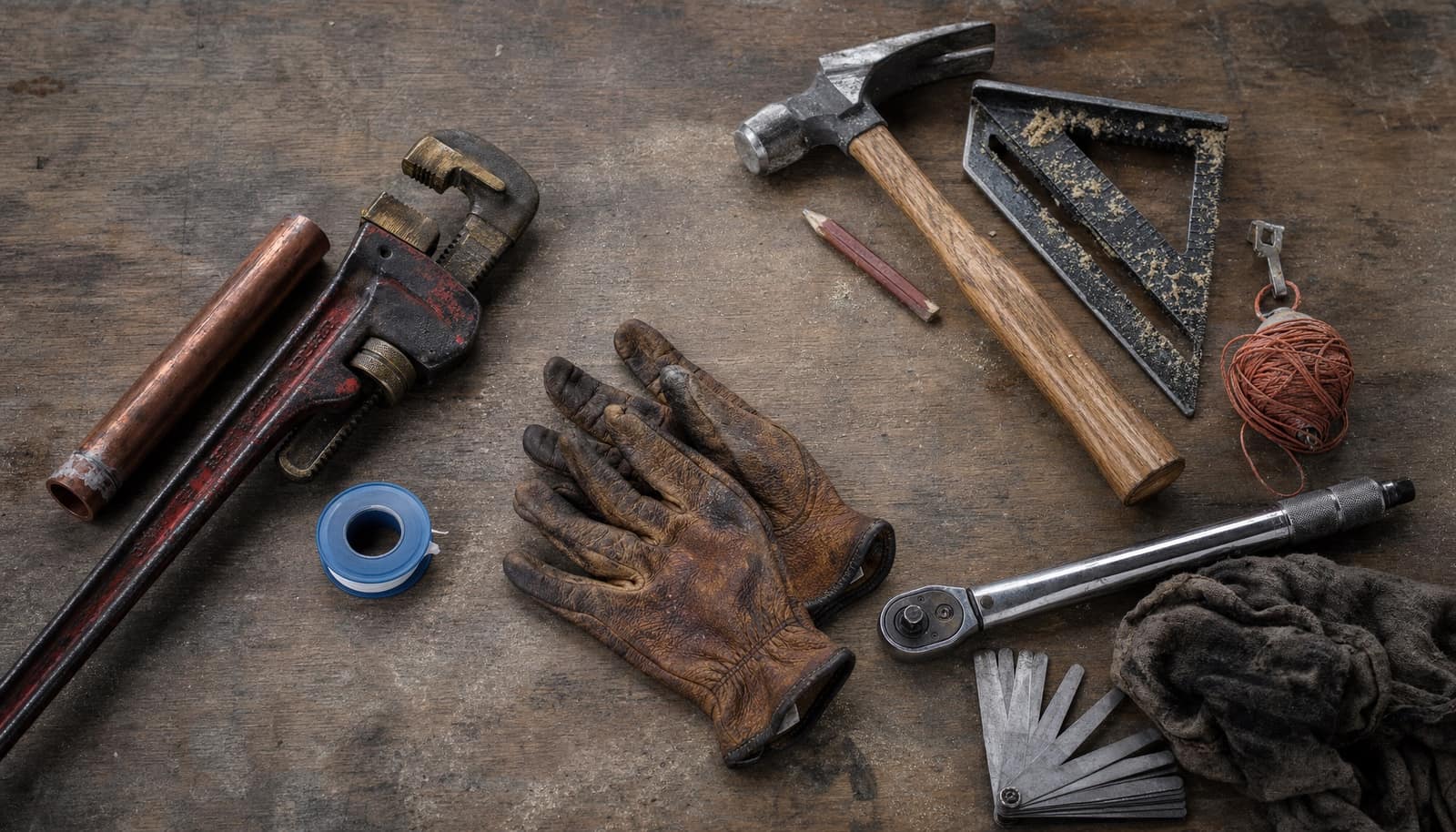
PPE is built for men. Work gloves, steel-toes, harnesses, coveralls: the standard sizes assume a male frame. A woman wearing a fall-arrest harness sized for a 6-foot-tall man isn’t uncomfortable. She’s unsafe. Companies like Dirty Seahorse are putting in real work to fix this, but the gear catalogue at most supply houses still tells you who the industry was designed for.
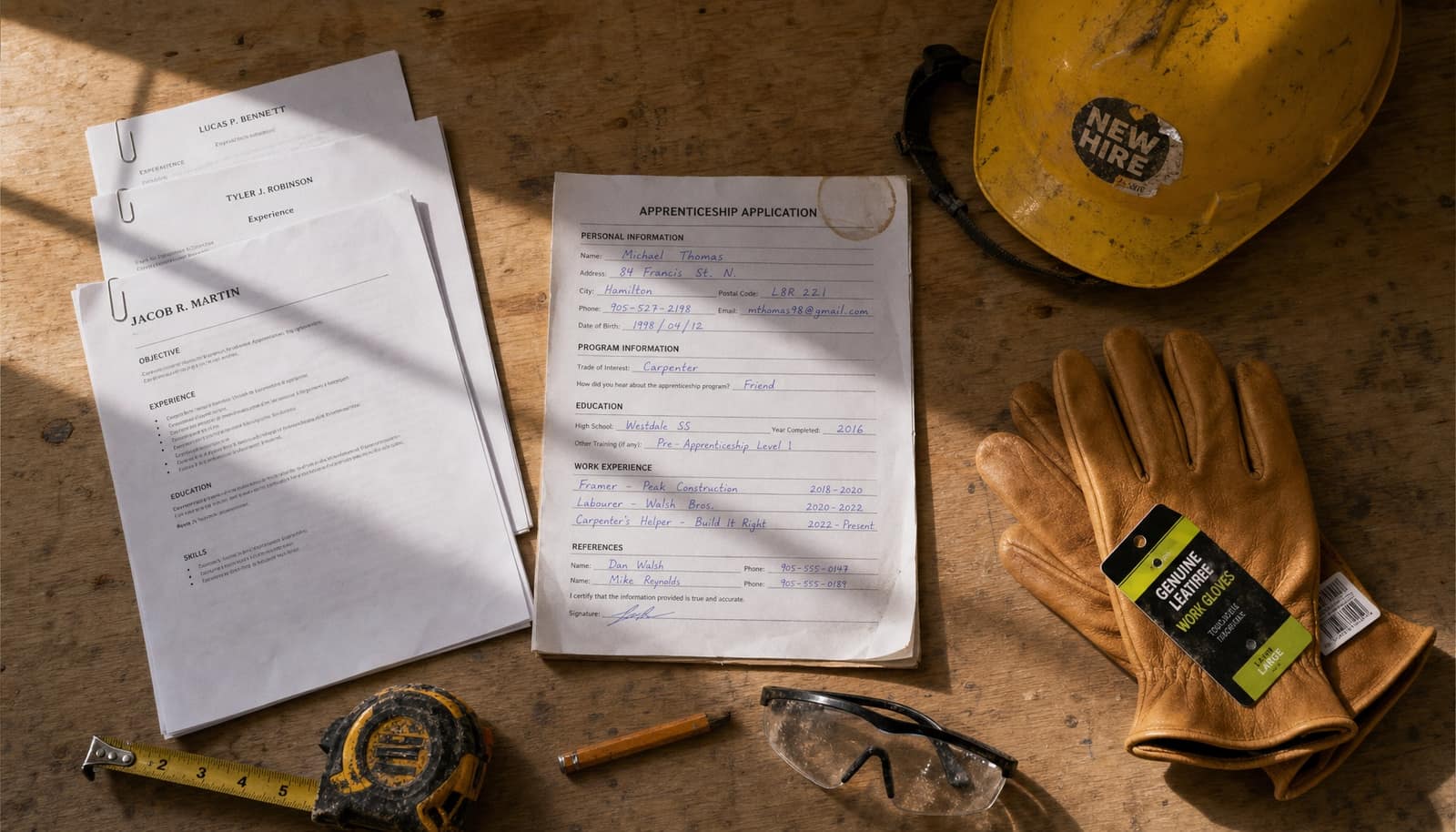
The other piece is hiring. A lot of trade work, apprenticeships especially, moves through informal networks. Someone’s brother knows a foreman. A guy at the hockey league is short a hand. A neighbour says his nephew needs a placement. Those networks aren’t malicious. They’re just closed. If you’re not already in them, you’re not in them.
Women, on average, aren’t in them. So the same opportunities that flow easily to one group of candidates never reach another.
What actually moves the needle
Early exposure works. Hands-on workshops in middle schools and high schools, real tools in real hands, women instructors running the bench. Lisa Hepfner, MP for Hamilton East, has put a lot of her time into this kind of outreach in our region, and the difference it makes shows up two and three years later when those students start filling out applications.
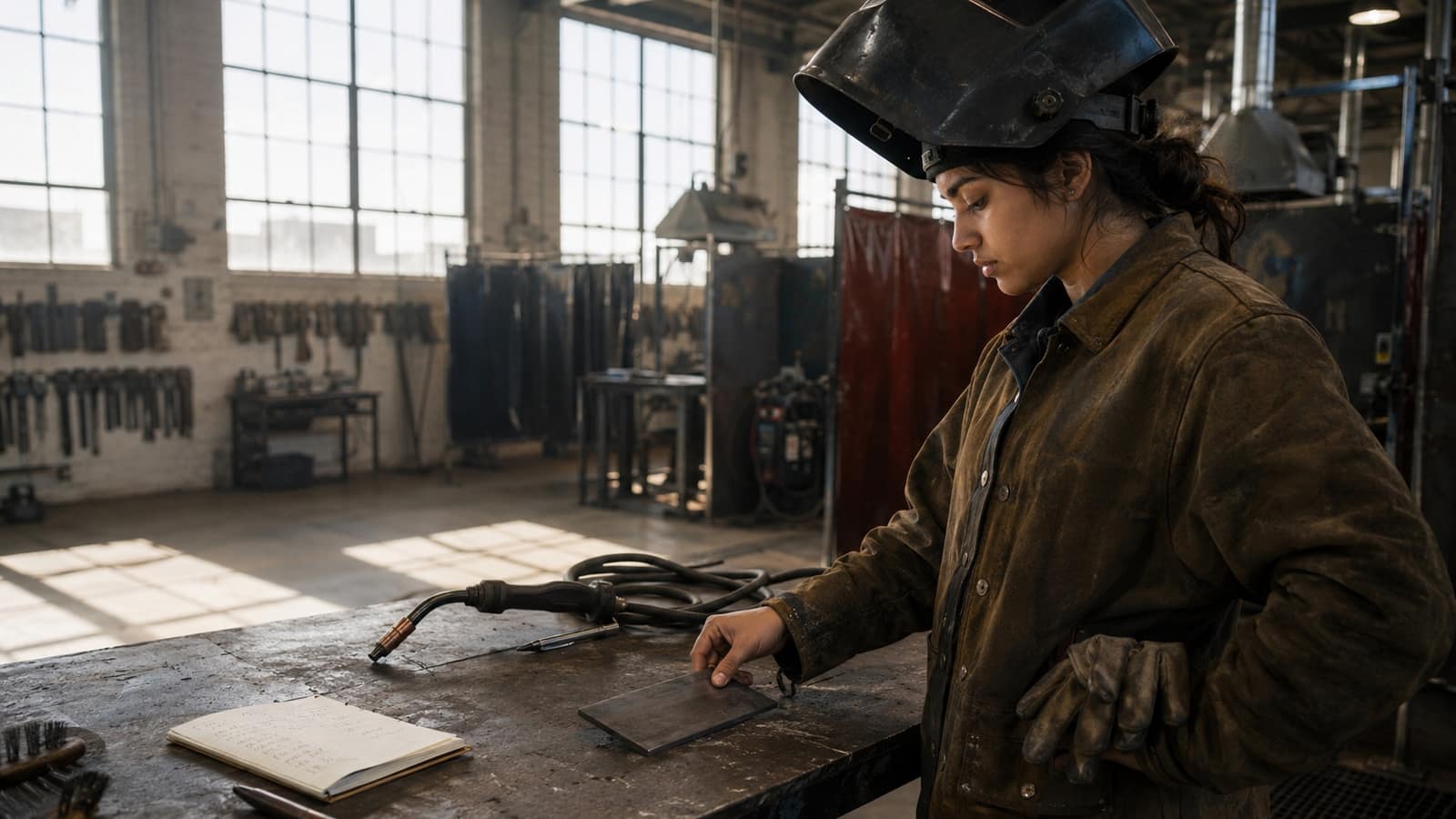
Mentorship is the other piece. We’ve run Women in the Trades Nights at the College, and the same word comes up every time: mentor. Women who succeeded in male-dominated trades almost always point to one specific person (a journeyperson, a foreman, a shop owner) who pulled them through the rough first year. Now they’re doing the same for the next group.
That’s how the cycle breaks. Not with a poster campaign. With one experienced tradeswoman taking one apprentice under her wing.

Nobody made it through that first year alone. Every one of us had someone who stuck around when we needed them.
Equal opportunity, not special treatment
The imbalance in high-paying trades isn’t an accident. It’s the result of systemic barriers that nobody bothered to challenge for a long time. PPE that doesn’t fit. Hiring networks that don’t open up. Stereotypes that get baked in by grade six.
At Trade Smart College, we don’t hand out diplomas and wave goodbye. Every student, regardless of gender, gets 950 hours of real-world experience before they graduate. Focused. Reliable. Efficient. Adaptable. That’s the standard.
Women entering the trades don’t need special treatment. They need gear that fits, networks that open, and a clear path to the same work everyone else gets. The sooner the industry sorts that out, the sooner the workforce starts looking like the country it serves.