What the bedrock actually is
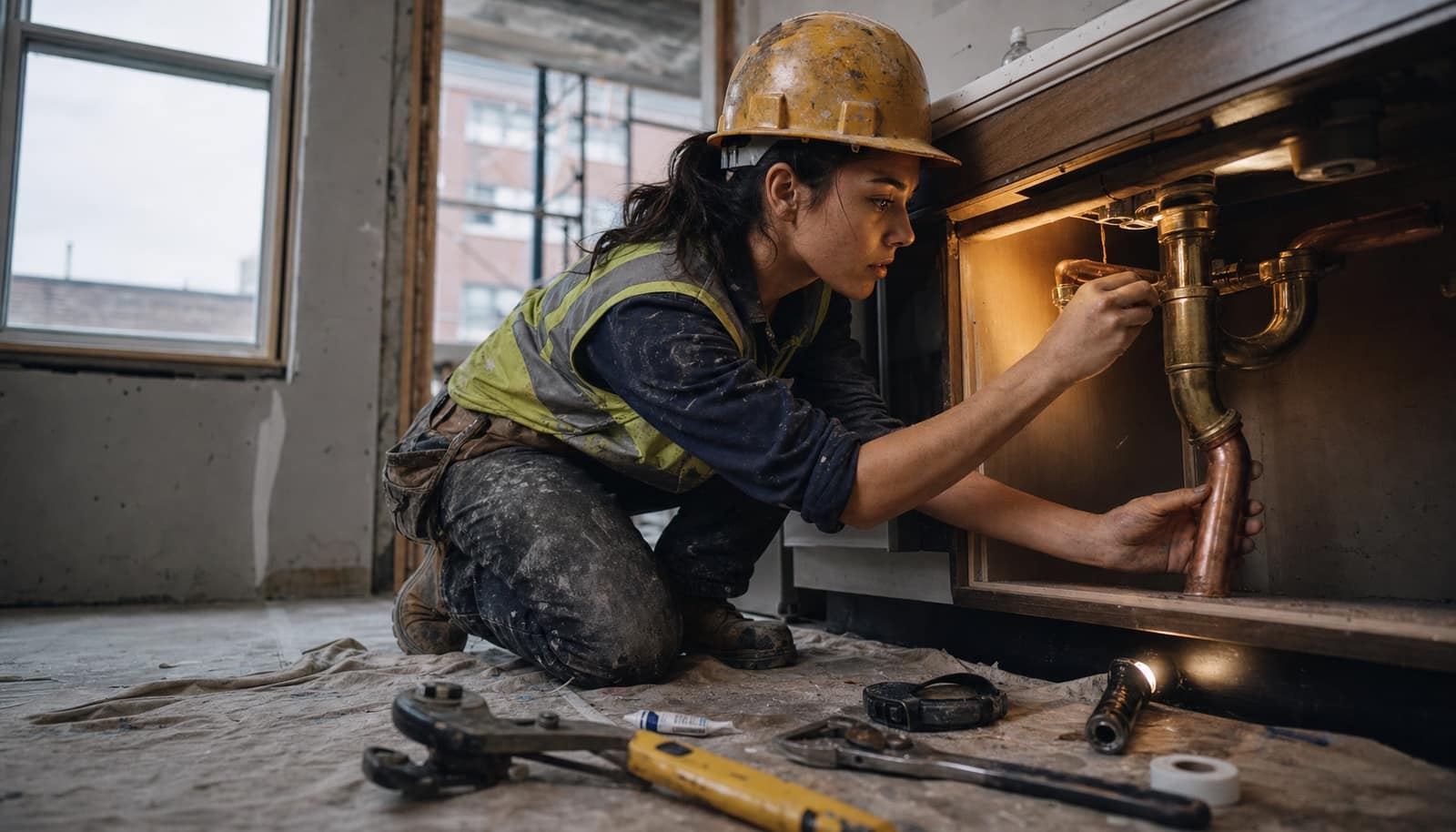
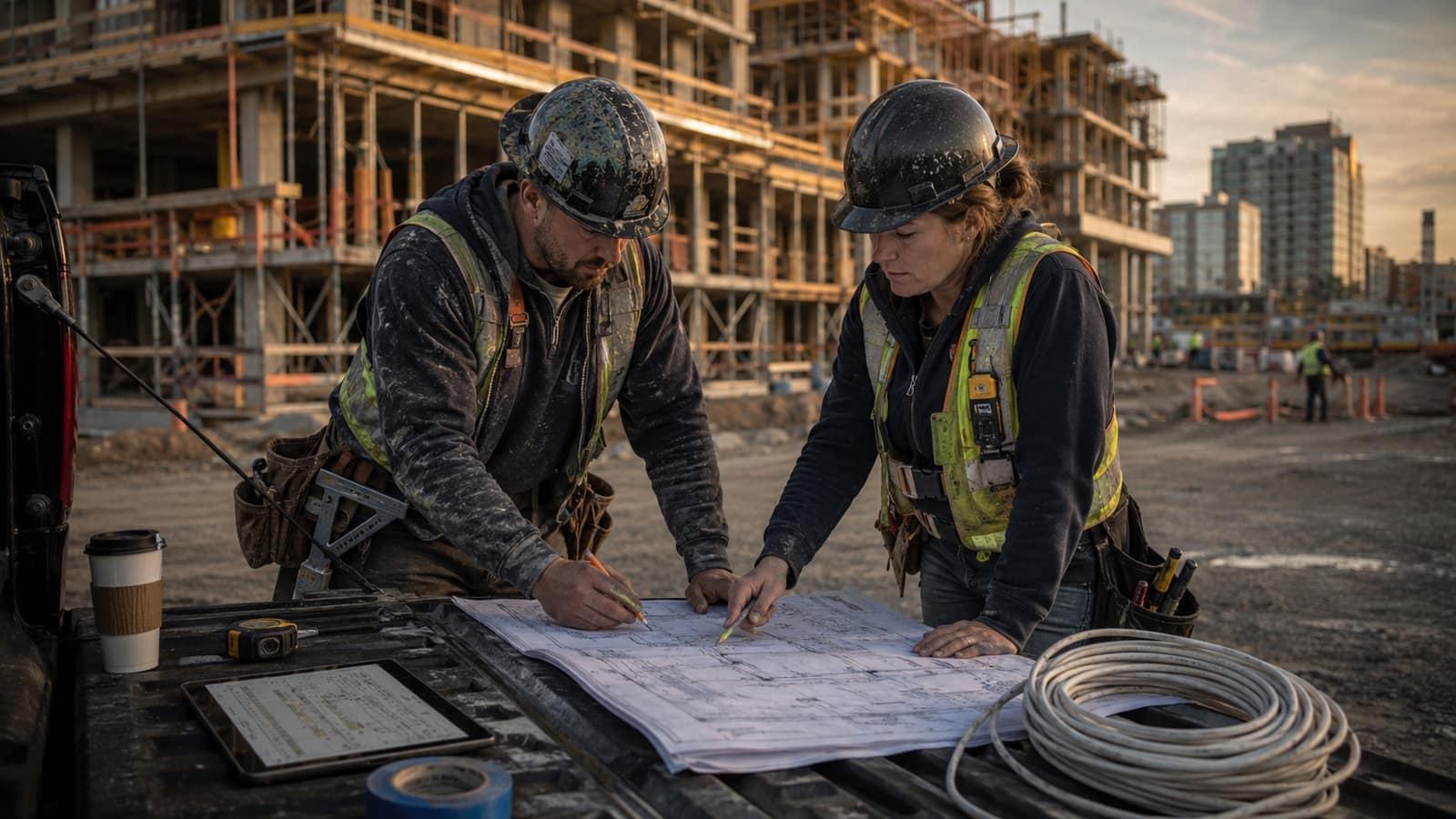
Measurement and calculation sit underneath everything a tradesperson does. Reading a drawing. Ordering material. Cutting to spec. Carpentry, plumbing, millwrighting, even line cooks plating a dish: the math runs through all of it. We teach the basic principles in class so students walk into their internship with the ground already laid.
The trick isn’t memorizing formulas. It’s developing judgment about when the formula matters and when a quick eye-check will do.
Accuracy, precision, and what tolerance really means
Three words that get used interchangeably and shouldn’t be. How accurate does a measurement need to be? How precise? How much room is there for error? The answer depends entirely on what you’re building and where it sits.
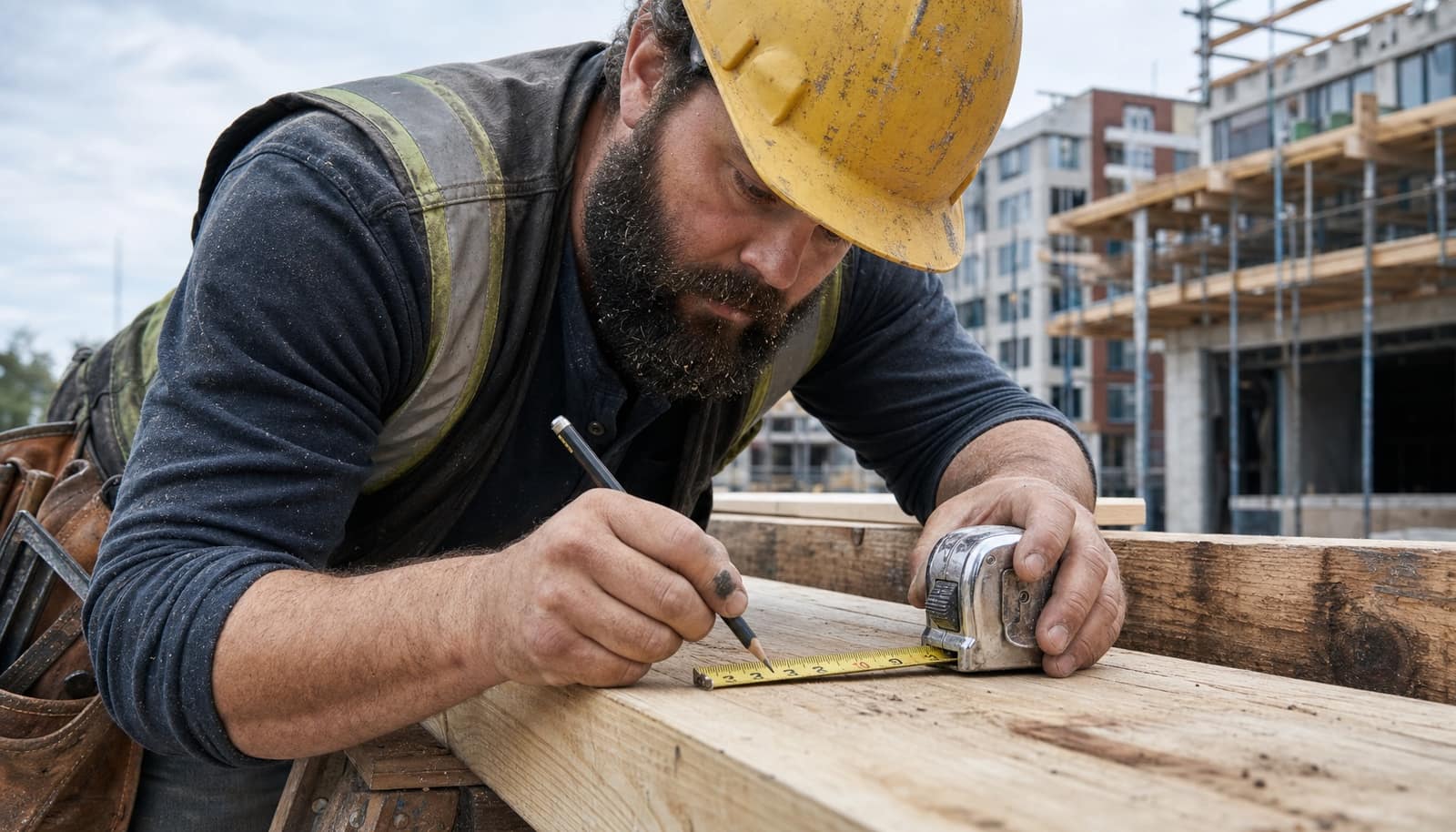
Build a backyard fence. A board that runs 1/16-inch shy of its neighbours, nobody sees it. Cut a dovetail with that same 1/16-inch error and the joint is garbage.
Knowing when a sixteenth matters and when it doesn’t is the whole skill.
This is where efficiency lives. Over-measuring on a job that doesn’t need it burns hours and budget. Under-measuring on a job that demands tight tolerance produces reworks, delays, and sometimes safety problems. The context tells you which one you’re in, and reading the context comes with reps.
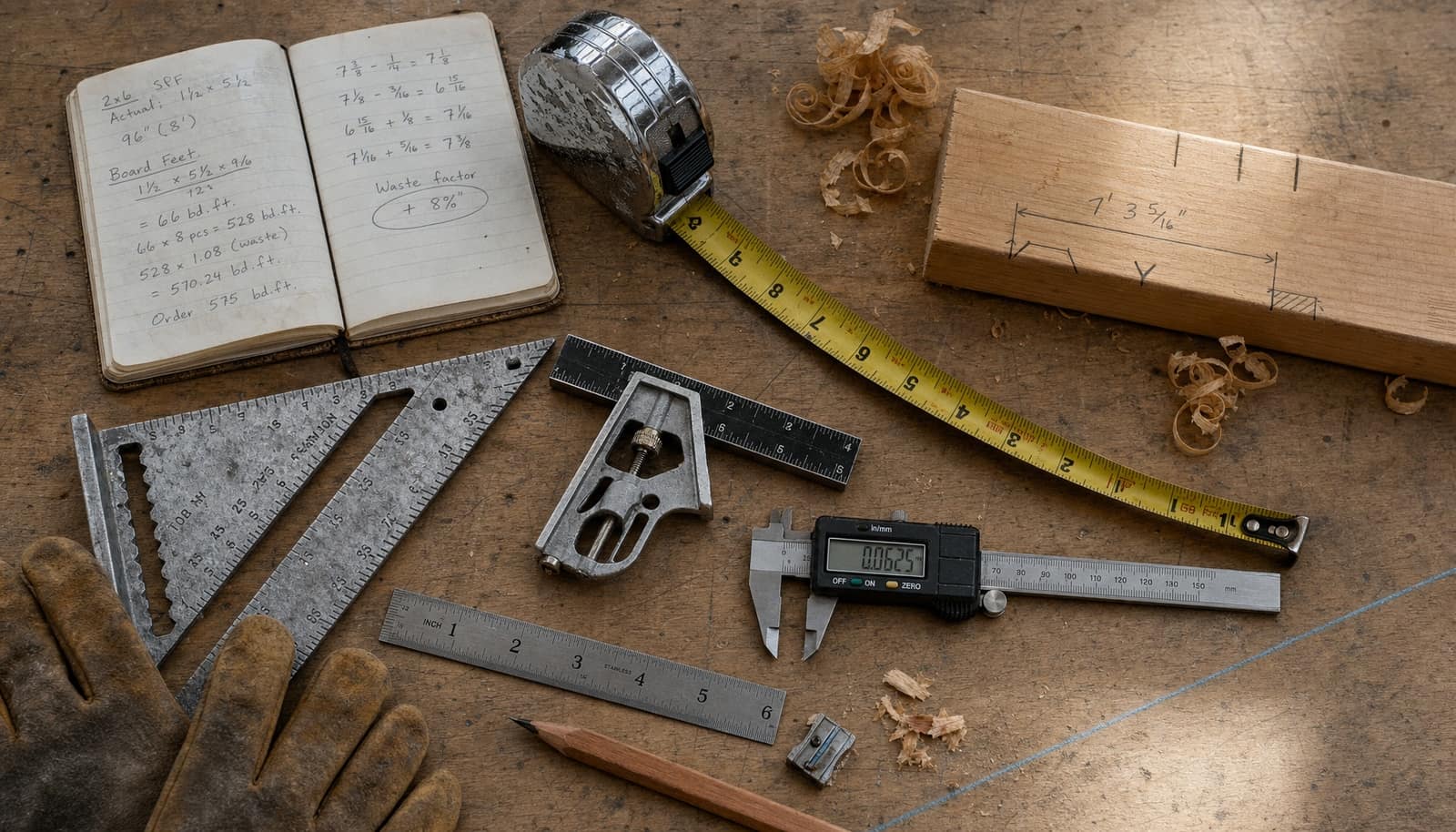
Tools matter on both ends. Laser distance meters and digital levels do real work. So do tape measures and calipers. A tradesperson who only knows the digital side gets stuck the day the battery dies or the device doesn’t fit the space. Master both.
Calculation as a problem-solving muscle
Real jobsites give you irregular rooms, out-of-square walls, and specs that don’t match the drawing. The carpenter who can take a few measurements and work out a solution on the back of a coffee cup keeps moving. The one who can’t waits for someone else to figure it out.
Comfort with the math gives you confidence to attack the problem. Confidence to attack the problem builds the analytic muscle. The analytic muscle, over years, turns into something that looks a lot like creativity: the ability to see a non-standard situation and design your way through it.
Material, money, and waste
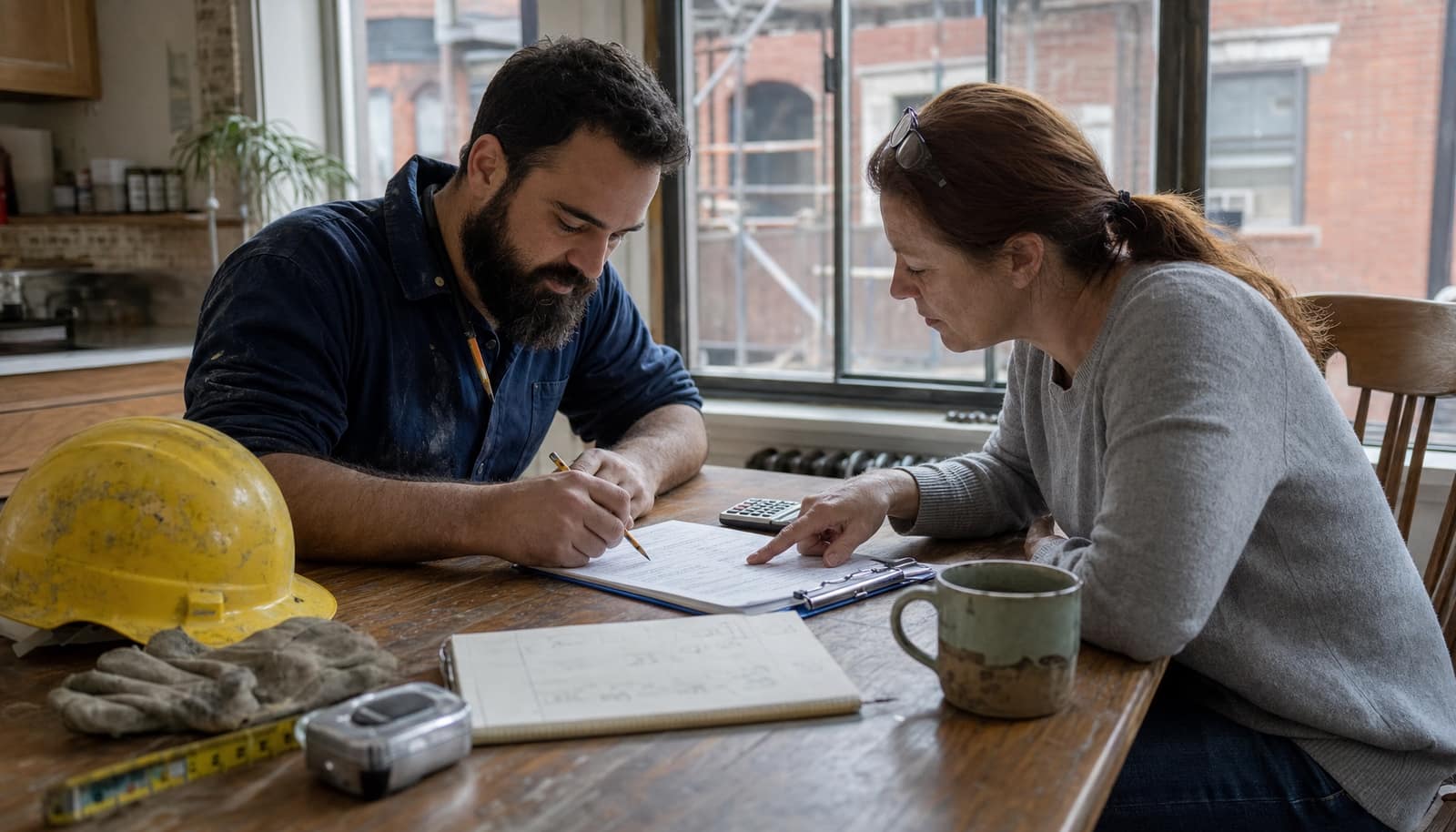
Measurement is also where margin lives. The flooring installer who calculates the room properly orders the right amount: no surplus sitting in the truck, no shortage halting the install on day two. Painters mix pigment and solvent ratios based on actual surface area so colour stays consistent across walls. Costs come down. Waste comes down with them.
Software helps. Jobber, Procore, and others let you punch in measurements and get material requirements out the other side. Useful tools. They don’t replace the underlying skill. They amplify it. A bad measurement entered into a good platform still produces a bad order.
Where the math becomes safety
Scaffolding stability. Load capacity. Crane lifts. Airflow and static pressure in an HVAC system. These aren’t abstract calculations. They’re the difference between a normal Tuesday and an incident report.
A rigger who runs the weight-and-balance numbers correctly puts the load down where it’s supposed to go. An HVAC tech who sizes the duct properly delivers a system that runs at spec for a decade. Get the math wrong and people get hurt or equipment fails early.
The smaller stuff counts too. Bench heights. Tool spacing. Reach distances. A shop laid out without thinking about ergonomics produces repetitive strain injuries over enough years. Measurement quietly underwrites the whole worksite.
The apprentices who can do the math in their head are the ones I trust to run a layout alone.
What we teach, and what comes after
Class introduces the principles. The internship is where they get tested against a real building, a real client, a real deadline. That sequence (theory first, then immediate application under a journeyperson) is how the judgment gets built. Students leave with the calculations in their hands, not just on the page.
The tools will keep changing. Laser meters got cheap. AI-assisted estimating is coming. None of that replaces the tradesperson who knows, by feel, when a sixteenth matters.