The trades used to run in lanes. Electricians did wire. Plumbers did pipe. Carpenters did wood. You picked one, you got good at it, and that carried you for forty years.
That world is mostly gone.
Modern projects move faster, the equipment crosses old boundaries, and companies are building their workflows around crews that can think past their own ticket. Trades education hasn’t caught up. Most programs still treat the silos as sacred. We don’t.
The end of single-trade specialization
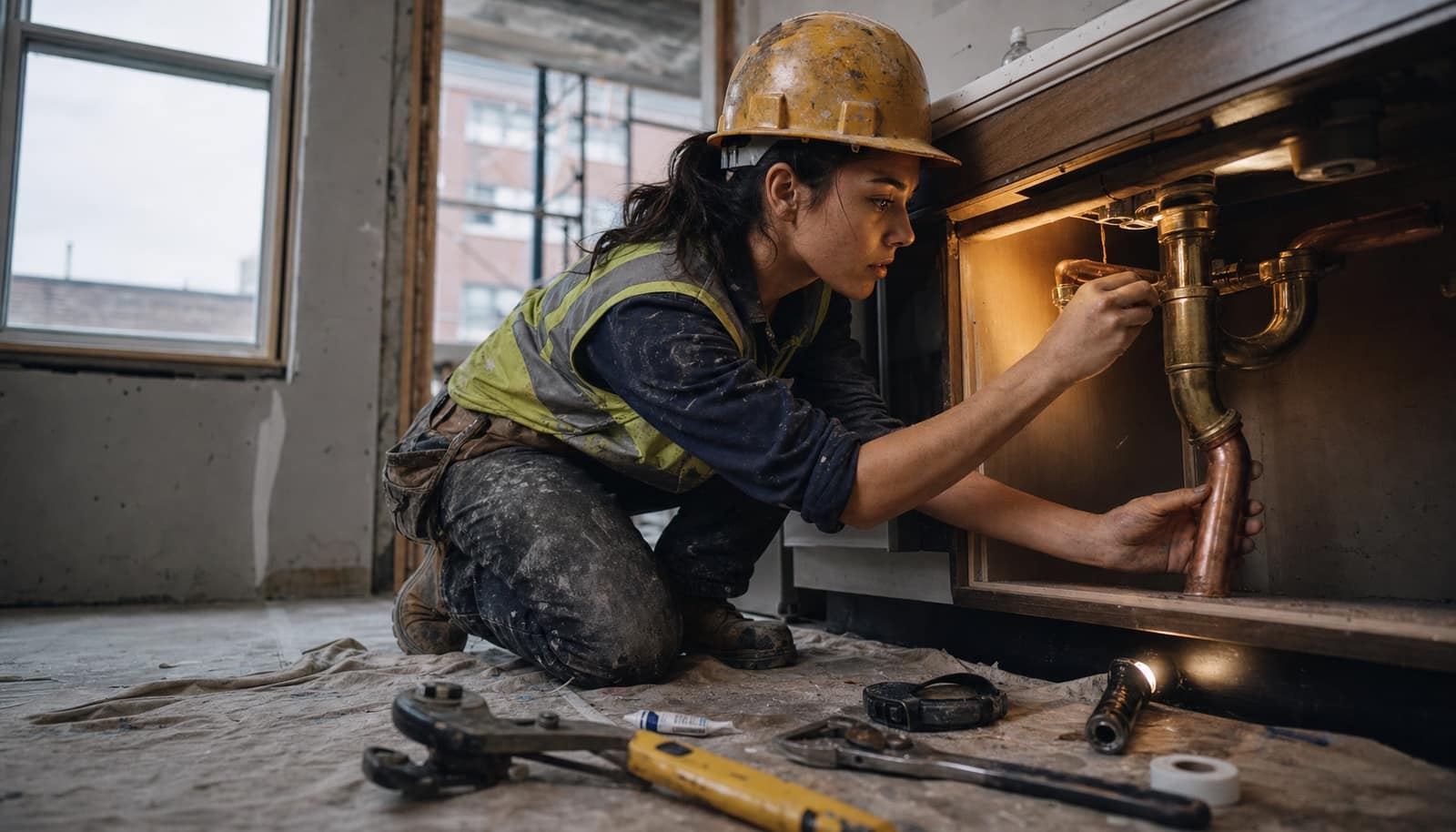
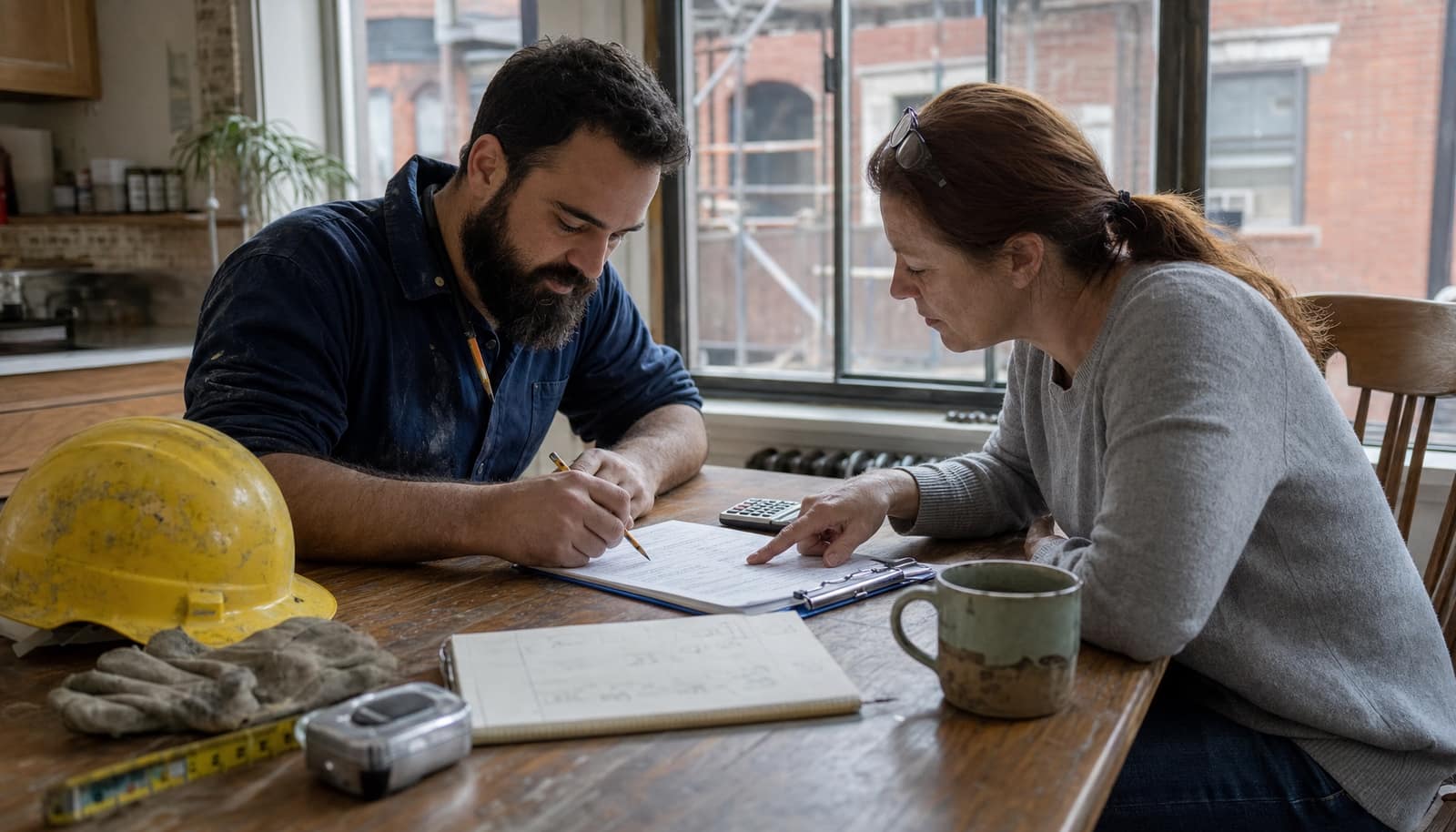
Specialization still matters. Some work can only be touched by a licensed technician, and that’s not changing. But walk any job site and watch what people actually spend their day doing. Ordering material. Moving it. Staging the room for the next crew. Cleaning up after the last one. Pulling permits, reading prints, prepping a wall, protecting a floor.
That’s the bulk of the work. None of it cares which trade you trained in.
Companies notice. They’d rather hire one person who can prep a space and help the next tradesperson land softly than two people who refuse to touch anything outside their lane. For a student coming up, the ability to step sideways isn’t a nice-to-have. It’s the job.
The vast majority of trades work is staging. Ordering, moving, prepping, cleaning. None of it cares which ticket is in your wallet.
Systems built around the work, not the trade
Companies are no longer designing their workflows around single-trade competence. They’re designing them around efficiency, and efficiency means trade stacking.
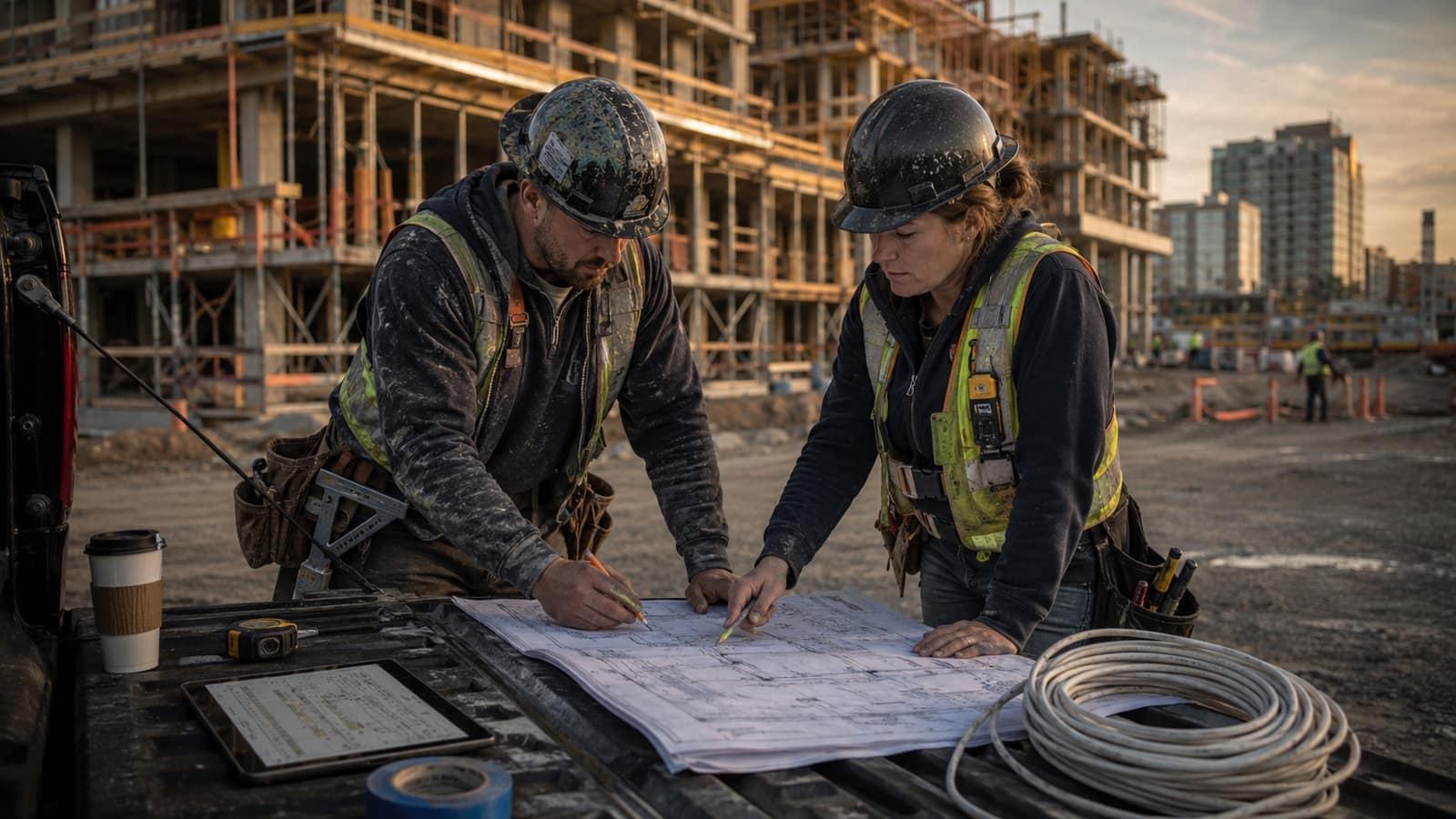
Trade stacking is the order of operations on a site. Rough electrical before drywall. Drywall before paint. Paint before trim. The closer you can get those handoffs, the faster the project closes. A worker who’ll prep the space for whoever comes next (sweep the floor, mark the layout, pull the protective film) saves a foreman hours a week.
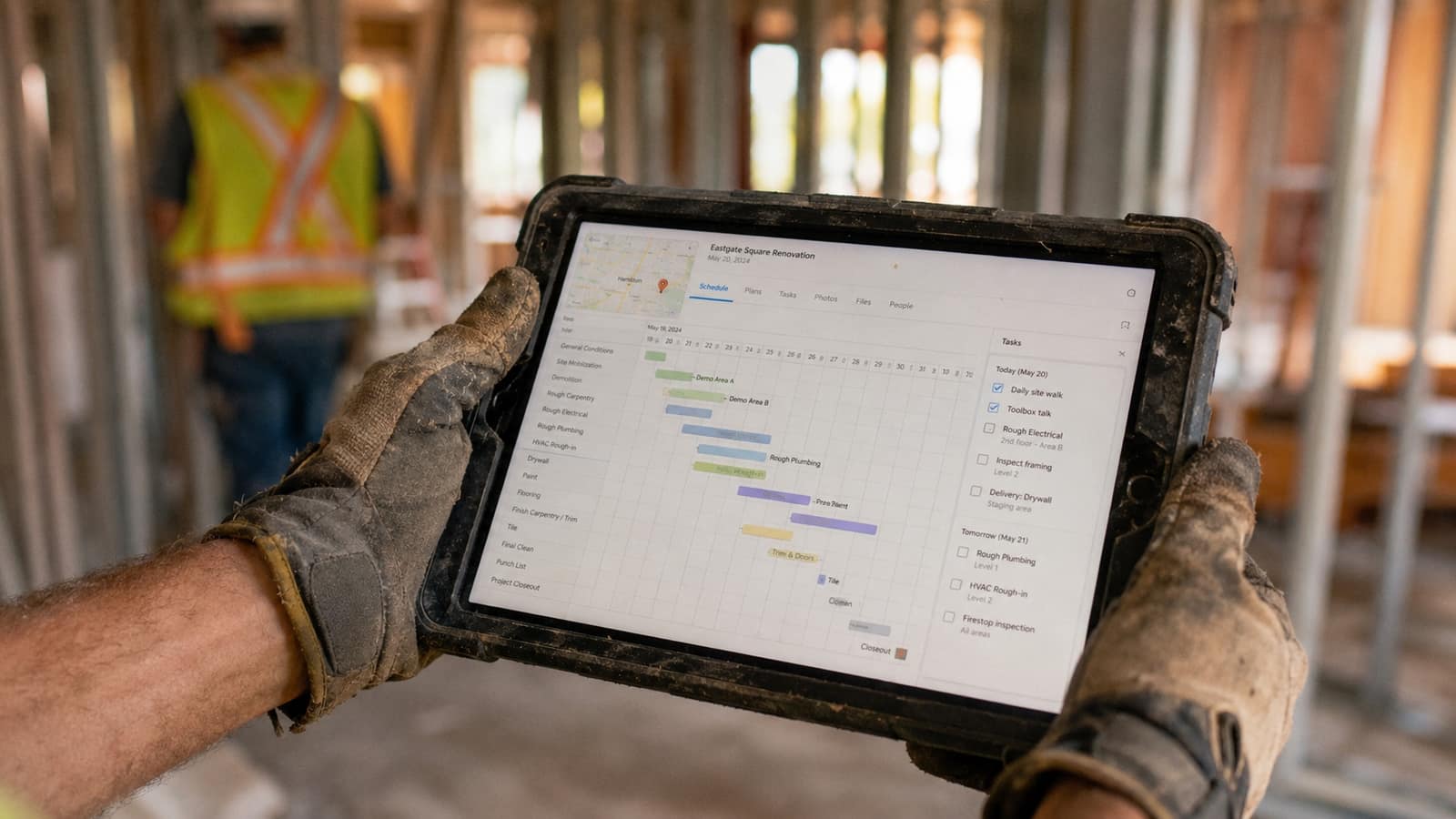
The software has caught up to the same idea. Project management platforms, shared schedules, RFI systems: they assume the people using them can read across trades. A student who’s never been taught to think in systems will struggle in that environment. A student who has been taught will move into a coordinator role faster than their peers.
Technology doesn’t respect trade lines
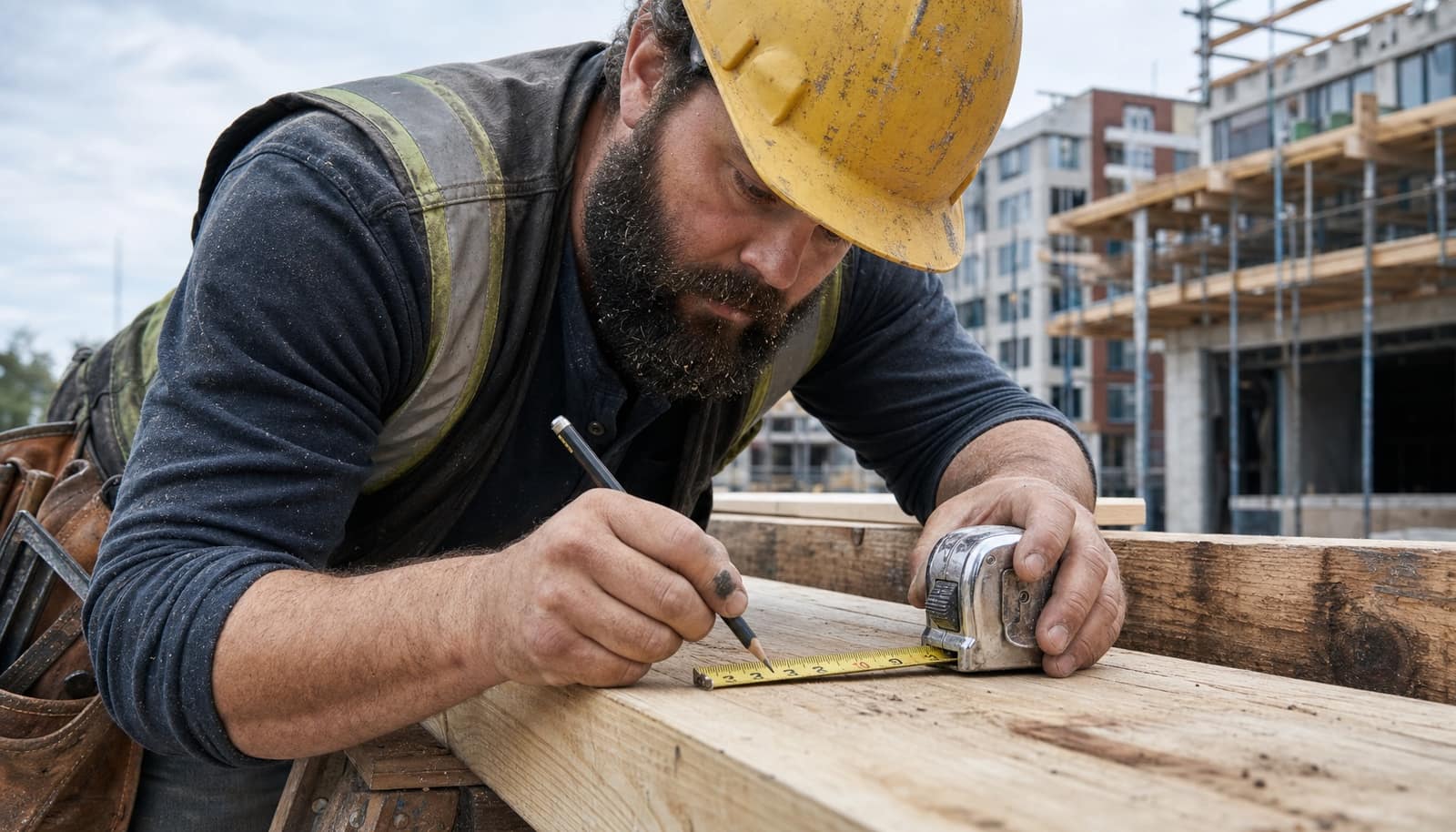
Diagnostic equipment, 3D modeling, automated layout tools, robotic total stations. None of it was built to live inside a single trade. A laser layout tool is just as useful to a framer as it is to a sprinkler fitter. A thermal camera tells a roofer about moisture and an electrician about a hot breaker.
The tool doesn’t ask. It just expects the operator to know what they’re looking at.
Most traditional programs haven’t worked this equipment into their curriculum yet. Students graduate having never touched the gear they’ll be handed on day one. That’s a real problem, and it’s the gap employers complain about most.
The boundaries between trades are blurring. The curriculum should blur with them.
A modern curriculum
Europe figured this out a while ago. Their trades training is generally considered ahead of North America’s, and a big part of the reason is that they stopped pretending the lanes were rigid. Students come out competent in a primary trade and useful across two or three adjacent ones. They know the systems. They know the tech. They show up ready.
That’s the model we built around. We focus on attitude first: students who’ll prep a room, ask the right question, and help the next person on the schedule. Then the trade fundamentals. Then the equipment and software they’ll actually see in the field. We don’t entrench the old divisions. We teach around them.
We get things wrong sometimes. Some weeks the curriculum runs ahead of what a cohort can absorb, and we pull back. Some weeks an employer asks for something we hadn’t built in yet, and we add it. The point is the program moves with the industry. It doesn’t sit still.
The bottom line
The trades are changing. Education has to change with them, or it becomes a museum.
If you’re looking at a program (for yourself, for your kid, for your hiring pipeline), ask one question. Is what they’re teaching what the job actually looks like now? Not what it looked like in 1995. Now.
That’s the question we built the school to answer.